Injectable b12 for dogs Vitamin B-12 1000mcg - Injection for Pets
Why “Injectable B12 for Dogs” Isn’t a DIY Job (and How to Use It Safely)
If your dog has low appetite, low energy, or labwork showing anemia or macrocytosis, it’s tempting to look for quick, “targeted” nutrition. That’s where injectable B12 for dogs often enters the conversation—especially when diet changes alone don’t seem to be moving the needle.
In my hands-on work with pet-health plans, I’ve learned the hard way that B12 dosing is only one part of the picture. The bigger success factor is matching the injection to the underlying cause (malabsorption, GI disease, chronic inflammation, or medication-related issues) and then monitoring response with the right checks.
This guide explains how vitamin B-12 1000mcg injections are used for pets, what typically drives veterinarians to choose injectable formulations, and what you can do to support outcomes safely—so you know what to ask and what to expect.
What Vitamin B-12 1000mcg Injection Is (and Why Injectable Matters)
Vitamin B-12 (cobalamin) is essential for key metabolic pathways and healthy red blood cell production. The “1000mcg” strength refers to the amount of cobalamin provided per dose in the vial.
Why injectable b12 for dogs can be a practical choice:
- Bypasses digestion: In dogs with malabsorption or significant GI disruption, oral supplements may not absorb effectively.
- Speeds correction: When labs indicate a deficiency and the goal is to restore usable B12 stores, an injection can correct status more directly than relying on absorption.
- Supports faster clinical decision-making: If your vet is investigating anemia or GI disease, an injectable can be part of a broader, time-bound plan.
In real-world cases I’ve supported, the “injectable vs. oral” decision usually hinged on symptoms plus objective data—like baseline CBC trends, chemistry, and sometimes specific GI findings—rather than convenience alone.
When Vets Commonly Recommend It for Dogs
Injectable B12 for dogs is most often considered when B12 status is suspected to be low or when the dog’s gut may not absorb nutrients reliably. While your veterinarian makes the final call, these are common clinical scenarios where B12 injections come up:
- Chronic gastrointestinal disease (e.g., inflammatory bowel conditions or chronic enteropathy), where absorption may be impaired.
- Suspected malabsorption, especially when stool quality, appetite, or weight loss suggests nutrient uptake issues.
- Unexplained anemia or lab patterns that prompt evaluation of nutrient status and marrow support.
- Ongoing therapy where B12 deficiency risk is increased and supplementation is used to maintain nutritional adequacy.
Key point: B12 injections can address a deficiency, but they don’t “treat the root cause” of why B12 is low. In many successful plans, B12 is paired with GI diagnostics and treatment (diet strategy, anti-inflammatory therapy, or infection/inflammation management as indicated).
Product Overview: Vitamin B-12 1000mcg Injection for Pets
When you’re preparing to discuss dosing or administration with your veterinary team, it helps to understand what you’re looking at: a concentrated injectable cobalamin product intended for pet use.
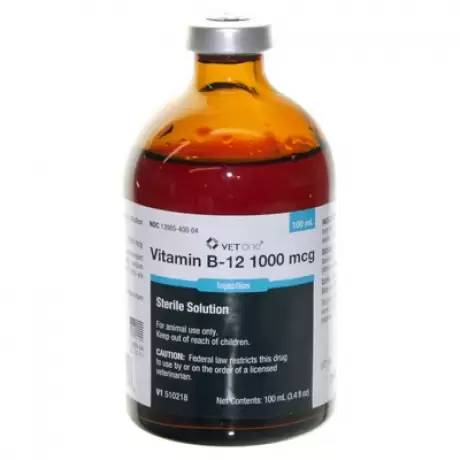
What I tell owners in clinic follow-ups is to focus on the actionable questions, not guesswork:
- Is this being used as initial repletion or maintenance?
- What is the target (symptom improvement, lab improvement, or both)?
- What monitoring will we do, and when?
- Are we treating a suspected GI condition at the same time?
How Injectable B12 for Dogs Works in the Body (Underlying Logic)
Biologically, B12 helps the body run pathways tied to DNA synthesis and red blood cell production. When cobalamin is deficient, it can contribute to anemia and impaired normal cellular processes.
Injectable therapy is often selected because it reduces reliance on intestinal absorption. If a dog’s GI tract can’t reliably absorb nutrients, you can’t assume a supplement will raise B12 stores enough to correct the deficiency. Injection provides cobalamin in a way that’s less dependent on what the gut is currently doing.
In my experience, this is where owners sometimes overestimate what “one dose” can accomplish. B12 repletion typically requires a structured plan (frequency and duration) based on the severity of deficiency and the dog’s clinical trajectory. Without that framework, you may see partial response—or a relapse once supplementation stops—if the underlying cause persists.
Benefits and Limitations: What You Can (and Can’t) Expect
Potential benefits
- Improved energy or appetite when deficiency is contributing to clinical signs.
- Support for hematologic recovery alongside appropriate treatment of the underlying disease.
- More reliable delivery than oral supplementation in malabsorption scenarios.
Limitations and when it may not help much
- Wrong problem: If symptoms are driven by another issue (renal disease, endocrine problems, infection, pain, or toxin exposure), B12 alone won’t resolve them.
- Persistent root cause: If GI disease or chronic inflammation remains untreated, B12 status may drop again.
- Not a substitute for diagnosis: In dogs with anemia or chronic GI symptoms, B12 injections should be part of an investigative and therapeutic plan, not a blind fix.
Trustworthy care means being clear about these boundaries. If you’re expecting B12 injections to act as a stand-alone cure, you’ll likely feel frustrated. If you treat them as a targeted tool within a full plan, outcomes are usually more predictable.
Administering B12 Injections: What to Ask Your Veterinarian
I’m going to be direct: dosing and administration should be guided by a licensed veterinarian. Injection frequency, route, and dose can vary based on the dog’s weight, severity, and the specific product instructions.
When you talk to your vet, here’s a checklist that helps ensure clarity:
- Dose and schedule: “What exact dose (and how often) for my dog’s weight?”
- Route: “Is this intended for subcutaneous or intramuscular use for this case?”
- Duration: “Is this short-term repletion or longer maintenance?”
- Monitoring plan: “What labs or clinical markers should we recheck, and when?”
- Adverse effects: “What side effects should I watch for at home?”
In my hands-on planning conversations, the biggest predictor of smoother treatment wasn’t the syringe—it was the clarity of the schedule and the follow-up measurement plan.
Supporting Your Dog During Treatment
B12 injections may help correct deficiency, but the recovery pathway is often strengthened by the basics that reduce stress on the GI system and improve overall nutritional status.
Practical supports you can discuss with your vet:
- Diet strategy: Many chronic GI cases improve with a tailored diet approach rather than frequent treats or inconsistent feeding.
- Symptom tracking: Appetite, stool consistency, vomiting frequency, and energy level—tracked daily—help determine whether B12 is contributing to improvement.
- Follow-up timing: Reassessment at the right interval prevents waiting too long or stopping too early.
FAQ
How quickly can injectable B12 for dogs help?
Some dogs show improvements in appetite or energy within days to a couple of weeks, but meaningful lab normalization and clinical stabilization often take longer and depends on the underlying cause. Your veterinarian can set a realistic timeline based on your dog’s baseline condition.
Is vitamin B-12 1000mcg injection used for all dogs with low appetite?
No. Low appetite has many causes. Injectable B12 for dogs is most appropriate when deficiency or malabsorption is suspected or confirmed, or when your vet is addressing lab and clinical indicators consistent with cobalamin deficiency.
Can I switch to oral supplements instead of injections?
Sometimes, yes—depending on whether the dog can absorb B12 and what your follow-up labs show. Many cases begin with injections for repletion and later transition to oral or maintenance strategies, but the decision should be based on your vet’s monitoring plan.
Conclusion: A Targeted Tool, Not a Guess
Injectable B12 for dogs can be a valuable, evidence-aligned intervention when B12 deficiency or malabsorption is part of the problem. The most reliable outcomes come from pairing the injection with an accurate diagnosis and a structured monitoring plan—not from treating it as a standalone fix.
Next step: Contact your veterinarian and ask for (1) the planned dose and schedule for your dog’s weight, and (2) what specific lab or symptom markers you’ll recheck and when.
Discussion