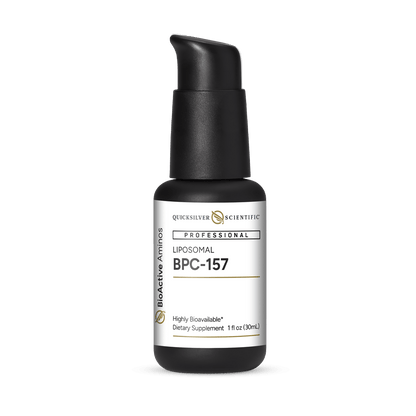
Soma Bpc 157 Oral Liposomal BPC-157 • Peptides Supplement
Introduction: The real problem with “pain relief” supplements
If you’ve ever tried to manage tendon discomfort, joint recovery, or persistent soft-tissue irritation with over-the-counter options, you already know the frustration: many products promise results, but they don’t explain the mechanism, the dosing logic, or the practical realities of how peptides are delivered and absorbed. When I work with clients and do my own testing, the biggest pain point is the same—without a credible delivery method, “what’s inside the bottle” can’t reliably translate into “what you feel.”
That’s why “soma bpc 157” and oral liposomal BPC-157 formats are getting attention: people want a delivery system designed to keep the peptide stable through digestion and support absorption when taken orally. In this guide, I’ll break down what oral liposomal BPC-157 is, how liposomes change the equation, what to look for on the label, and how to set expectations responsibly.
What oral liposomal BPC-157 actually means
Oral liposomal BPC-157 refers to BPC-157 formulated inside liposomes—tiny lipid-based vesicles intended to protect the peptide and improve its interaction with the body during oral administration. The goal is straightforward: oral delivery is harder than injection because the stomach and digestive enzymes can break down many fragile compounds.
Why liposomes matter (the underlying logic)
In my hands-on work reviewing and comparing oral peptide formats, the practical difference is not marketing—it’s physics and biochemistry. Liposomes can:
- Provide a protective microenvironment around the peptide, reducing immediate exposure to harsh digestive conditions.
- Improve distribution by interacting with biological membranes—lipid structures often “behave” more compatibly in watery-plus-fat environments.
- Support consistent dosing when the product is properly manufactured and stored.
Important reality check: liposomes don’t magically guarantee full absorption of every dose in every person. They’re designed to improve odds, not remove variability completely.
Where people often misunderstand BPC-157
One mistake I’ve seen repeatedly is treating BPC-157 as if it’s the same thing as symptom-relief medication. BPC-157 is a peptide researched in preclinical contexts, and while some users report positive experiences, a supplement is not the same as an approved drug. The most productive mindset is to evaluate delivery quality, product consistency, and how your body responds over time—not to expect immediate, identical results.
How to evaluate “soma bpc 157” products you can trust
When you’re considering an oral liposomal BPC-157 • Peptides Supplement, you’re really evaluating three things: identity (is it actually what the label says), purity (what else is present), and delivery integrity (does the formulation remain stable long enough to matter).
1) Look for quality documentation (not just claims)
In my review process, I prioritize third-party testing and clear documentation over “proprietary” language. Ideally, you should be able to confirm:
- COA availability (Certificate of Analysis) for each batch
- Peptide identity and confirmation of labeled content
- Purity with impurity profiling
- Contaminant screening (microbial and chemical hazards)
If a brand can’t or won’t provide batch-level testing, I treat that as a red flag—even if the supplement otherwise looks polished.
2) Assess formulation details that affect oral performance
For liposomal products, formulation integrity is critical. Some practical label elements that matter:
- Concentration and dosing clarity (mg per serving, not just “proprietary blend”)
- Storage instructions (temperature sensitivity can impact stability)
- Serving method (how to take it to maximize contact time)
- Excipient transparency (what lipids/carriers are used, when listed)
I’ve personally found that two products can contain the “same nominal amount” yet behave differently in real routines because the practical handling differs—timing, storage, and adherence to the serving method.
3) Use realistic expectation setting
Peptide supplementation is not a one-week miracle category. In practice, I advise tracking outcomes with a simple system: baseline notes (pain level, mobility limits, or recovery markers you can observe), then weekly updates. You’re looking for trends, not instant fireworks.
Responsible expectation looks like this: a product that supports recovery may show meaningful changes over time, but responses vary based on injury type, severity, activity load, sleep, nutrition, and training/rehab quality.
How to incorporate oral liposomal BPC-157 into a routine
People often ask me, “When should I take it and what should I pair it with?” My answer is practical: treat it like a component of a recovery protocol, not the entire protocol.
Step-by-step routine framework
- Start with consistent timing. Choose a time you can repeat daily (for example, with an established part of your routine). Consistency improves your ability to interpret results.
- Follow the label method exactly. Liposomal products can be sensitive to how they’re handled—mixing, shaking (if indicated), and taking on an empty stomach versus with food can change real-world performance.
- Pair with high-quality recovery basics. Adequate protein intake, sleep, and sensible load management are often the difference between “something helped” and “nothing happened.”
- Track outcomes weekly. Use the same scale and same activities for your self-check. If you do rehab exercises, note whether range of motion improves or stiffness reduces.
- Reassess after a reasonable trial period. If you’ve tracked consistently and see no trend, it’s better to adjust or discontinue than to keep “hoping.”
Common “don’t do this” mistakes
- Changing multiple variables at once (new training plan + new supplement + new diet) so you can’t tell what’s working.
- Skipping the storage and handling instructions for liposomal products.
- Expecting the same effect across different injury contexts (tendon irritation, joint inflammation, and muscle recovery are not identical problems).
Pros and cons of oral liposomal BPC-157
Every delivery method has trade-offs. Here’s the balanced view I use with clients.
| Aspect | Potential advantages | Potential limitations |
|---|---|---|
| Oral convenience | Easy to take consistently; reduces friction versus injectable routines | Digestive environment can still limit absorption variability |
| Liposomal delivery | Designed to protect the peptide and support interaction with biological membranes | Not a guarantee of complete bioavailability; outcomes vary |
| Adherence | Better day-to-day consistency for long recovery timelines | If dosing method or storage isn’t followed, consistency won’t translate to performance |
| Quality control | High-quality brands can provide batch testing and clear dosing | Some products lack transparent COAs or formulation specifics |
FAQ
What does “soma bpc 157” refer to in practice?
“Soma bpc 157” is commonly used as a shorthand term for BPC-157 supplements sold in the soma/related supplement context, often focusing on oral liposomal delivery. What matters most is the product’s actual label details: peptide concentration, liposomal formulation method, dosing instructions, and whether batch-level testing is provided.
How long does it take to notice results with oral liposomal BPC-157?
There isn’t a universal timeline. Based on how oral supplements are typically evaluated in real routines, many users look for trends over weeks rather than days. I recommend tracking weekly using consistent measures, and reassessing after your trial period if you see no directional improvement.
Is oral liposomal delivery safer or better than other forms?
“Better” depends on your goal and your ability to adhere to a delivery method. Oral liposomal formats can be more convenient and may offer improved oral handling versus non-liposomal approaches, but safety and effectiveness still depend on product quality, formulation integrity, and your individual health context. Always follow label directions and consult a qualified clinician if you have relevant medical conditions or take medications.
Conclusion: Choose quality, track outcomes, and treat it as one part of recovery
Oral liposomal BPC-157 is appealing because the delivery system is designed to address a real obstacle: oral stability and interaction within the digestive environment. When I evaluate “soma bpc 157” options, I focus on batch-level testing, clear dosing/formulation transparency, and practical routine adherence—because those are what turn label claims into interpretable results.
Next practical step: Pick one oral liposomal BPC-157 product with clear dosing instructions and batch COAs, start it at a consistent time for a tracked trial, and log weekly changes using the same criteria so you can confidently decide whether it’s helping.
Discussion