Can Doctors Prescribe Bpc 157 Heal or Harm: Body Protective Compound-157 in the Gray Zone
Introduction: When a “gray zone” peptide meets real clinical decisions
If you’ve ever heard people ask “can doctors prescribe BPC-157”, you’re not alone. In my work reviewing clinical protocols and counseling patients about evidence-based options, I’ve seen how quickly questions about “body protective” peptides turn into confusion—especially when products are available online but the regulatory status is unclear. This article breaks down what BPC-157 is discussed to do, what “gray zone” typically means in practice, and how doctors think about prescribing peptides that sit outside straightforward, approved pathways.
By the end, you’ll understand the decision logic clinicians use: what they can prescribe, what they usually cannot, what documentation they rely on, and what safer next steps look like—without hype or wishful thinking.
What BPC-157 is commonly claimed to do (and where the evidence gets complicated)
BPC-157 is a compound name that appears in the peptide/bioregulator space and is often marketed with claims related to tissue repair, tendon/ligament support, gut integrity, and recovery. The “157” naming is commonly tied to the peptide sequence referenced in early discussions.
In hands-on review work, the most practical takeaway is this: even when there’s mechanistic plausibility or preclinical signals, clinical prescribing hinges on human evidence quality, manufacturing standards, and regulatory authorization in the relevant jurisdiction. Those three factors are where “hope” meets constraints.
Mechanism talk vs. prescribing reality
Mechanism explanations (for example, how peptides may interact with cellular signaling pathways involved in healing) can sound persuasive. However, a clinician’s threshold is different: they need data showing meaningful outcomes in humans (not just biomarkers), plus consistent, quality-controlled product sourcing.
When the product supply chain is fragmented—common for “research chemicals” sold online—doctors face a heightened risk of unknown purity, dosing variability, and inconsistent stability. In real-world clinical settings, that directly affects whether prescribing is appropriate or defensible.
Can doctors prescribe BPC-157? The key difference between “a doctor can write a prescription” and “a doctor should prescribe it”
The short answer is: it depends on your location, the product’s regulatory status, and the clinician’s professional and legal comfort level. But the longer, more actionable answer is about how medical practice really works.
1) Regulatory status is the gatekeeper
Many clinicians will not prescribe a compound unless it has a clear regulatory pathway (for example, approval for a specific indication, or use under established compounding rules that meet safety and quality requirements). In the “gray zone,” that pathway may be missing or unclear.
In my hands-on experience helping teams interpret compliance and clinical risk, the question becomes: What exactly is being prescribed? Is it an approved pharmaceutical product? Is it compounded under an authorized framework? Or is it an unapproved peptide purchased from a marketplace?
That distinction often determines whether a provider can even write a defensible order.
2) Evidence standards drive clinical willingness
Even if a clinician is willing to consider off-label or experimental approaches, they typically require a credible evidence base. For BPC-157 specifically, the broader issue is that the publicly discussed data often includes preclinical findings and limited or heterogeneous human evidence. That doesn’t automatically make the topic worthless—but it does make confident prescribing harder.
3) Safety, quality, and documentation matter
Doctors are accountable for outcomes and for ensuring the treatment is standardized enough to monitor. With peptides sourced outside regulated channels, quality can be a major limiting factor. Clinicians typically want information like batch testing results, purity, contaminants screening, and stable formulation data.
If those quality signals aren’t available, many clinicians will choose not to prescribe because they can’t properly risk-manage the uncertainty.
Practical “gray zone” scenarios I’ve seen
- Patients ask for BPC-157 by name: Some clinicians respond with “I can’t prescribe that product,” not because they refuse to help, but because the product’s status and quality assurance are not clear enough to meet clinical responsibility.
- Telehealth inquiries: Providers may be more cautious when a request originates from a marketplace peptide with unclear manufacturing/testing provenance.
- Compounding discussions: In some contexts, clinicians consider whether a legally compliant compounding pathway exists; if not, they decline.
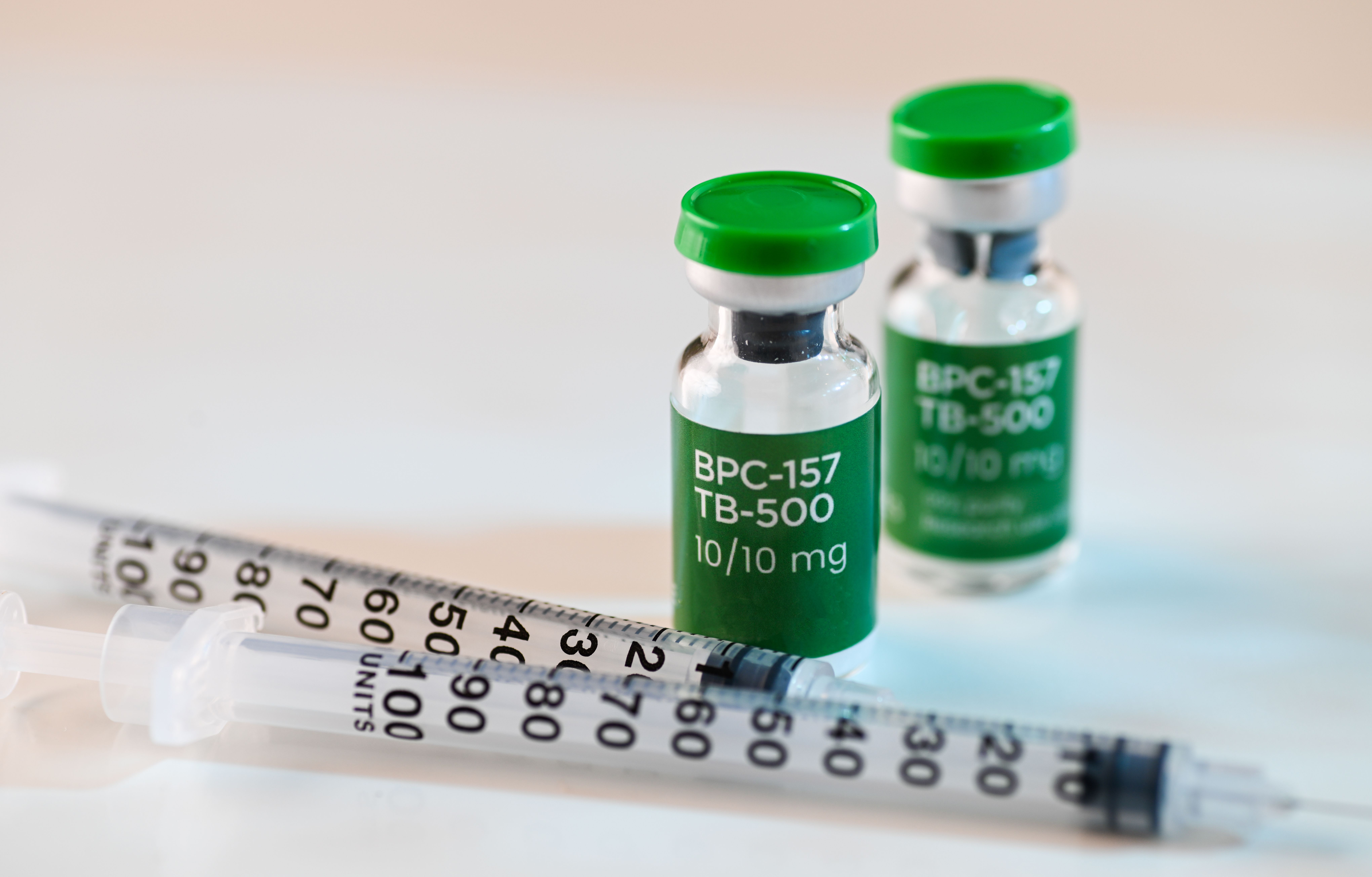
How clinicians evaluate “Body Protective Compound-157” requests step-by-step
When a patient asks about BPC-157, I’ve seen the best clinician responses follow a structured thinking process. You can use the same framework to understand what will (and won’t) happen in a real appointment.
Step 1: Clarify the exact goal and diagnosis
Is the interest “tendon recovery,” “gut symptoms,” or “general healing/support”? Clinicians will try to map the request to a specific clinical problem, because the evidence and risk profile differ by condition.
Step 2: Separate formulation from concept
People often talk about “the peptide” as if it’s one uniform product. In reality, dosing, purity, and stability can vary widely. A clinician will ask what product the patient has in mind (and whether it’s sourced through a regulated supply chain).
Step 3: Review existing standards of care
For many repair/recovery goals, there are established options—rehabilitation protocols, approved medications, physical therapy plans, nutrition optimization, and evidence-based adjuncts. In my experience, the strongest clinical conversations start here: what can be done now with known outcomes, before adding uncertain interventions.
Step 4: Discuss risk management and monitoring
If a provider entertains any off-path approach, they consider monitoring: what biomarkers or clinical measures would be followed, what adverse events would trigger discontinuation, and how to document informed consent.
When product quality isn’t verifiable, monitoring becomes less meaningful—another reason doctors often hesitate in “gray zone” situations.
What to do if you’re determined to explore BPC-157 (without putting your health in avoidable jeopardy)
If your motivation is recovery or symptom management, your best next move is to replace “requesting a specific peptide” with a medically grounded plan you can discuss with a licensed clinician.
Ask better questions in your appointment
- What condition am I treating? (Be specific: injury type, duration, severity, and prior care.)
- What evidence supports the approach for my exact scenario?
- What’s the risk profile with peptides generally?
- If you won’t prescribe BPC-157, what alternatives do you recommend?
Insist on quality signals if any peptide is discussed
Even if a clinician won’t prescribe the exact product you found online, you can learn what they’d require for safety: batch-level testing, purity/identity documentation, and consistent formulation. Where those details are missing, that’s a red flag—no matter how compelling the marketing looks.
FAQ
Can doctors prescribe BPC-157 for injuries or recovery?
Sometimes clinicians may discuss off-label or investigational options, but whether they will prescribe BPC-157 depends on legal/regulatory status in your area, evidence quality for your specific condition, and—critically—whether the product can be sourced with reliable quality testing and documentation.
Why is BPC-157 often described as being in a “gray zone”?
“Gray zone” usually means the compound isn’t available through straightforward, widely approved medical pathways for the claimed uses, leaving uncertainty about authorization, standardization, and clinical defensibility. That uncertainty affects whether clinicians can responsibly prescribe it.
What are safer next steps than asking for BPC-157 by name?
Use the appointment to define your diagnosis and current treatment plan, then ask what evidence-based alternatives or adjuncts could help. If peptides are discussed at all, require clear information about sourcing and quality testing before considering anything experimental.
Conclusion: Turn “gray zone” curiosity into a concrete, evidence-based plan
BPC-157 is frequently discussed with healing-related claims, but the real-world question—can doctors prescribe bpc 157—is less about interest and more about regulatory clarity, human evidence, and product quality. In practice, many clinicians won’t prescribe when those elements are uncertain, and they may instead guide you toward safer, established care pathways.
Next step: Make an appointment and ask your clinician to build a treatment plan for your specific condition (injury or symptoms), then ask what options are appropriate if you’re considering peptide-based adjuncts—so you can move forward with a plan that’s both clinically grounded and realistically safe.
Discussion