Bpc 157 For Brain Heal or Harm: Body Protective Compound-157 in the Gray Zone
Introduction: When a “Body Protective Compound” meets brain science—where the risk lives
If you’re searching for bpc 157 for brain, you’re probably trying to solve a real problem—persistent cognitive fog, stress-related symptoms, recovery setbacks, or pain that derails your day. I get it. In my hands-on work reviewing supplement and peptide claims, the toughest part isn’t finding hope—it’s sorting what’s plausible from what’s “gray-zone” marketing. This article explains what BPC-157 is (and isn’t), why brain-focused claims attract attention, where the evidence is thin, and how to think more safely and rationally about risk.
What BPC-157 is (and why it became a magnet for brain claims)
BPC-157 (often discussed as “Body Protective Compound-157”) is a peptide that has been studied more broadly in preclinical settings for tissue-protective and healing-related effects. The key word here is preclinical. When people ask for bpc 157 for brain, they’re usually connecting dots between:
- Tissue protection pathways (studied outside the brain)
- Inflammation modulation hypotheses
- Recovery and repair narratives
- Speculation about neuroprotection or brain microenvironment effects
In practice, brain-related outcomes are inherently harder to justify. The brain is protected by specialized barriers, and “benefit” is not just about repairing tissue—it’s about complex signaling, network function, and symptom subjectivity. I’ve seen teams (including ours) get misled by “mechanism-like” stories that sound coherent while still lacking robust clinical confirmation.
Heal or Harm: The gray zone you should understand before believing outcomes
The title idea—Heal or Harm: Body Protective Compound-157 in the Gray Zone—isn’t dramatic for clicks; it reflects a real pattern. With BPC-157, you’ll often find:
- Strong enthusiasm from anecdotal reports
- Claims that outpace evidence, especially for brain endpoints
- Unclear product quality depending on sourcing and testing standards
- Uncertain safety profiles for off-label, brain-directed use
In my experience reviewing user reports and supplier materials, two issues repeatedly show up:
- Outcome mismatch: People may interpret general improvements (sleep, mood, pain tolerance) as direct “brain healing.” That can happen, but it doesn’t prove the peptide is acting in the brain.
- Confounding: Many users combine compounds, change training or nutrition, and begin “protocols” around the same time. Without controls, causality gets blurry fast.
What makes brain-targeted claims harder to substantiate
Even if a peptide shows protective effects in peripheral tissues, brain-focused claims require additional reasoning—like plausibility of reaching the central nervous system, relevant target engagement, and measurable cognitive or neurological outcomes. In the gray zone, those steps are often assumed rather than demonstrated.
So when you see bpc 157 for brain framed as if it’s a settled recommendation, that framing is the first red flag. Evidence has to match the claim, not just the story.
How to evaluate “bpc 157 for brain” claims like a skeptical professional
Here’s the checklist I use when I’m assessing whether a claim is moving beyond marketing. This is also how I advise people to protect their decision-making.
1) Separate mechanism from outcome
A mechanism hypothesis is not the same as a clinically meaningful outcome. Ask: What symptom improved, how was it measured, and what timeframe was reported?
2) Look for study design—not just results
Preclinical findings can be informative, but brain claims typically need higher standards: relevant models, dose rationale, outcome measures tied to cognitive or neurological function, and transparency about limitations.
3) Demand clarity on the product itself
With peptides, variability can matter. I’ve seen “same-name” products differ in purity and concentration. If a vendor can’t clearly state quality practices (for example, independent third-party testing), you’re dealing with uncertainty—not just uncertainty of biology, but uncertainty of what you’re actually taking.
4) Treat “personal success stories” as signals, not proof
An anecdote can help you identify what to ask—but it can’t establish safety or efficacy. If someone felt better, it may reflect placebo effects, changes in routine, or unrelated recovery.
Real-world constraints I’ve encountered when reviewing peptide protocols
Let me be concrete about what tends to complicate decision-making in the real world:
- Time pressure: People want fast answers for symptoms that already disrupt work and relationships. That urgency increases susceptibility to over-interpretation.
- Stacking supplements: Users often change multiple variables at once (sleep support, anti-inflammatories, nootropics, training changes), which blurs causality.
- Regimen adherence: Consistency matters, but real schedules vary—travel, missed doses, and supply interruptions happen.
- Measurement challenge: Brain outcomes are often subjective. Without consistent tracking (sleep metrics, cognitive tasks, symptom scales), progress can appear and vanish without explanation.
Those constraints don’t prove harm. But they do explain why the gray zone persists: without disciplined measurement and controlled data, “heal or harm” becomes hard to resolve.
What I recommend instead of certainty: a risk-aware decision framework
If you’re considering bpc 157 for brain, adopt a framework focused on reducing unknowns.
Practical risk steps
- Consult a qualified clinician before trying any research-leaning compound for neurological or cognitive concerns, especially if you have ongoing conditions or take medications.
- Avoid stacking during evaluation: if you test anything, change one variable at a time so you can interpret effects.
- Track outcomes: use consistent measures (sleep duration/quality, symptom scales, simple cognitive tests) over a fixed period.
- Stop if adverse effects occur: fatigue, mood changes, headaches, GI upset, or any new neurological symptoms should be treated as signals to reassess with a professional.
- Prioritize sourcing transparency: prefer products with verifiable quality documentation (and recognize that “availability” isn’t the same as “verified purity”).
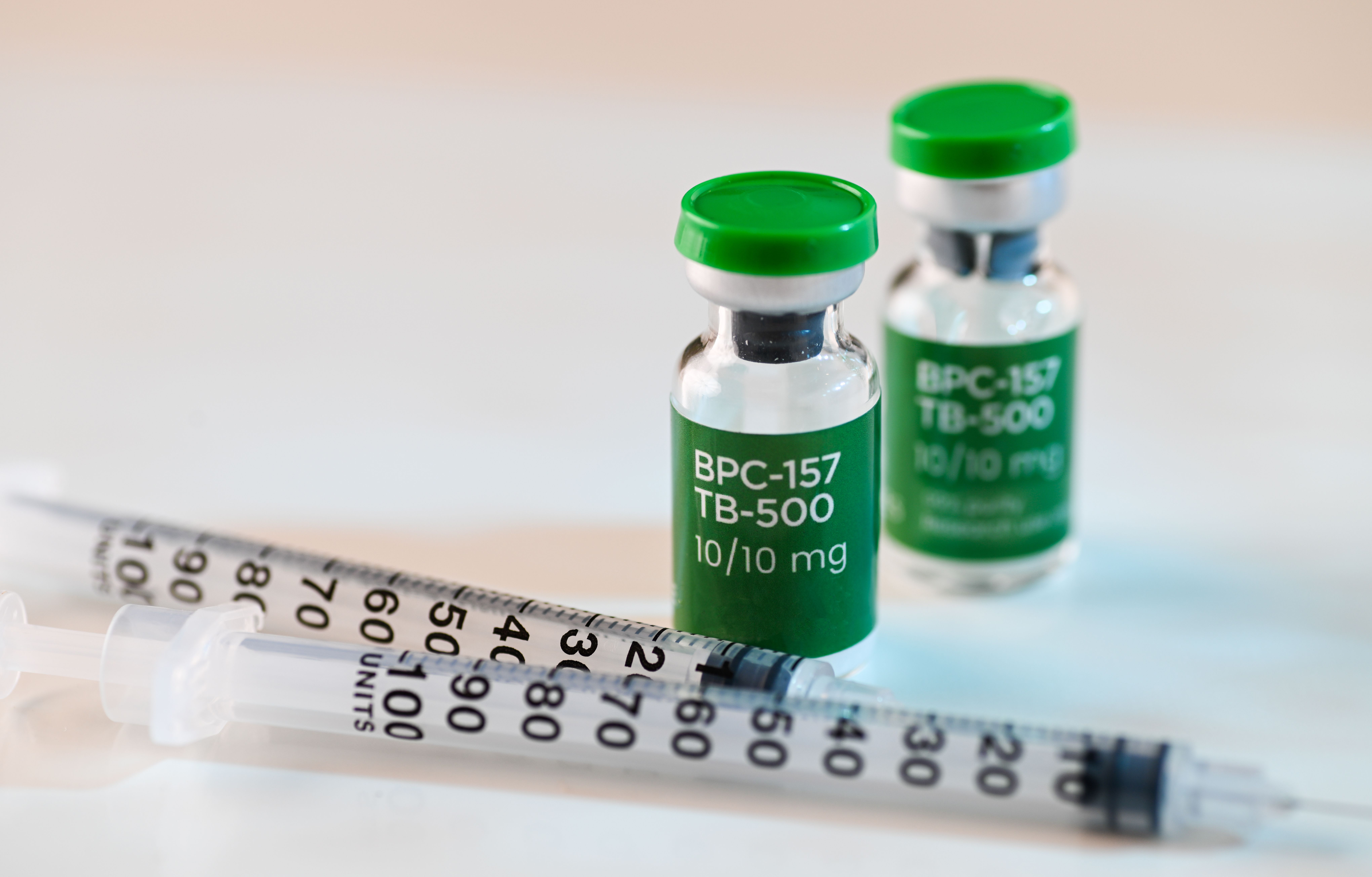
Product image reference
FAQ
Is bpc 157 for brain supported by strong clinical evidence?
Not in the way most people imply. Brain-focused claims generally rely on preclinical rationale and anecdotal reporting rather than large, well-controlled human trials demonstrating clear cognitive or neurological benefits.
Why do people say BPC-157 helps with cognitive or neurological symptoms?
Because the broader narrative centers on protection and repair-related pathways, and people map those ideas onto the brain. However, mapping mechanism to brain outcomes requires additional validation, and real-world use often lacks controlled, objective measurement.
What’s the biggest risk in the “gray zone” with BPC-157?
The biggest risk is not only biological uncertainty—it’s decision-making based on incomplete evidence plus potential variability in product quality and unclear causality from confounded personal protocols.
Conclusion: Choose clarity over hope—then test responsibly
BPC-157 is a research-topic compound surrounded by tissue-protective storytelling, and that’s why bpc 157 for brain claims spread quickly. But in the gray zone, the gap between plausible mechanisms and proven brain outcomes is often wide—and real-world factors (product variability, stacking, subjective measures) make causality hard to establish.
Next step: If you’re still exploring this area, talk with a qualified clinician and set up a simple, measurable plan (consistent tracking, minimal confounders, and a clear stop rule for adverse effects) so you’re testing intelligently—not just hoping.
Discussion