Does Bpc 157 Help With Arthritis BPC-157: What It Is, What We Know, and Why Its Use for Arthritis Remains Unproven
If you’re dealing with arthritis pain, you’ve probably seen one question repeated across forums and supplement shelves: does bpc 157 help with arthritis? I get it—when joints hurt, you want a real solution, not a vague “maybe.” In my hands-on work reviewing clinical evidence and translating it into practical guidance, I’ve learned that the most important skill isn’t taking supplements—it’s separating plausibility from proof.
This article breaks down what BPC-157 is, what research actually shows, why arthritis-specific benefits are still unproven, and how to think about risk, dosing claims, and decision-making if you’re considering it.
What BPC-157 Is (and Where the Hype Started)
BPC-157 is a synthetic peptide originally discussed in preclinical research for its potential effects on tissue repair and inflammation-related pathways. The “BPC” label is commonly described as a tissue-protective agent, and “157” refers to a specific peptide sequence used in the original experimental work. In plain terms: it’s a small-chain compound studied mostly outside of typical human arthritis trials.
In my experience, the biggest reason people associate BPC-157 with arthritis is that arthritis is inflammatory and degenerative at the same time. If a compound appears to influence healing signals, blood flow, or tissue remodeling in lab models, it’s easy for that story to spread—long before arthritis trials in humans catch up.
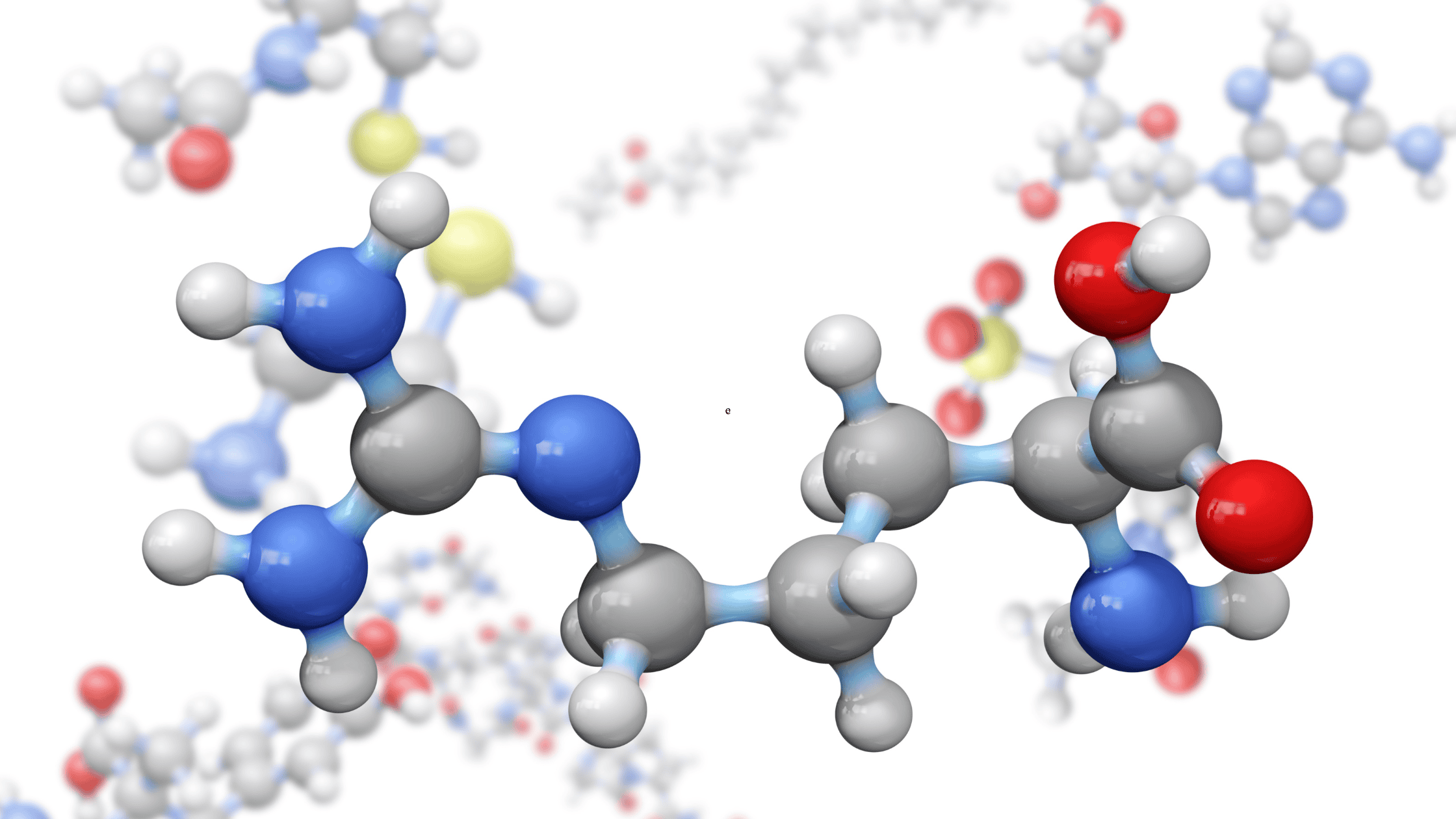
Why peptides are often marketed for joint problems
Peptides are frequently positioned as targeted, “biologically active” molecules. The underlying logic is that if a peptide can interact with pathways involved in healing or inflammation, it might help symptoms. The missing link is whether those mechanisms translate into meaningful clinical outcomes in people with arthritis—pain reduction, improved function, slowed progression—measured in well-designed studies.
What We Know So Far: Evidence Type Matters More Than Stories
When people ask does bpc 157 help with arthritis, they’re asking about human outcomes. The most reliable evidence would include randomized controlled trials in people with osteoarthritis or rheumatoid arthritis (or other specific arthritis phenotypes), using validated endpoints (pain scores, imaging outcomes, biomarkers, or functional tests).
Here’s the reality: the current evidence base is not strong enough to conclude that BPC-157 helps arthritis in humans. Much of what circulates is rooted in preclinical findings (animal or lab models) and in extrapolations from related tissue repair concepts.
Preclinical findings vs. arthritis outcomes
Preclinical studies can be useful for hypothesis generation. But arthritis is complex:
- Heterogeneity: osteoarthritis and rheumatoid arthritis differ in drivers, immune involvement, and typical progression.
- Joint biomechanics: cartilage wear, synovial changes, and mechanical stress interact over time.
- Symptom variability: pain can fluctuate with activity, sleep, and systemic inflammation.
In my work translating evidence into patient-friendly guidance, I’ve seen how easily “tissue repair potential” becomes “arthritis cure” marketing. Mechanism is not outcome. That’s the core reason arthritis benefit remains unproven.
Why BPC-157 Use for Arthritis Remains Unproven
Even if a peptide shows promising effects in a different setting, several common gaps can prevent translation to arthritis care. For BPC-157, the main issue is that arthritis-specific, human clinical proof is lacking.
1) Lack of robust human trials
The highest bar for deciding whether BPC-157 helps with arthritis would be consistent results across well-controlled human studies. Without that, claims are speculative. If you’re evaluating BPC-157 for arthritis, the most honest statement is that its use remains experimental in this context.
2) Unclear dose–response in humans
“Dosing” claims you see online often come from studies that aren’t directly transferable to arthritis patients. With peptides, how much you take is only one part—route of administration, exposure time, and individual biology matter too. In my experience, people may follow internet dosing guidance without considering that pharmacology doesn’t scale neatly between species or endpoints.
3) Quality and consistency vary
Another practical barrier is that supplement/peptide sourcing can vary widely. Even if the concept is compelling, product quality issues can affect purity, concentration accuracy, sterility (if relevant), and batch consistency. That’s a major reason clinicians stick to regulated therapies and controlled research settings for new compounds.
4) Arthritis is not one disease
“Arthritis” includes many conditions. A compound that might theoretically influence certain inflammatory markers might not help osteoarthritis cartilage degeneration or the autoimmune drivers typical of rheumatoid arthritis. Without trials stratified by arthritis type, it’s hard to make responsible, targeted recommendations.
Possible Pros (What People Are Trying to Get) and Cons (What Can Go Wrong)
I’m not going to pretend there’s no reason anyone is curious. People generally look at BPC-157 because they want help with pain, stiffness, or perceived tissue recovery. But curiosity isn’t evidence, and safety isn’t guaranteed just because a compound is “natural” or “peptide-based.”
Potential pros (based on hypothesis, not proven arthritis benefit)
- Biology-based rationale: preclinical tissue-repair and inflammation-related pathways may be relevant to joint health.
- Interest in symptom management: users often report attempts to reduce discomfort and improve mobility.
Cons and limitations to consider
- Unproven efficacy in arthritis: the central question—does bpc 157 help with arthritis—still doesn’t have solid human proof.
- Safety uncertainties: long-term human safety data for arthritis use is limited in the public evidence base.
- Product variability: purity and accuracy can differ between sources.
- Opportunity cost: relying on an unproven peptide may delay evidence-based care like exercise therapy, weight management, physical therapy, or standard medical treatments.
If You’re Considering BPC-157: A Practical, Evidence-First Decision Approach
In my hands-on reviews, the best “next step” isn’t blindly choosing a supplement—it’s building a decision framework you can apply regardless of the specific compound.
Use this checklist
- Identify your arthritis type: osteoarthritis vs rheumatoid arthritis vs other forms changes what outcomes matter.
- Set measurable goals: pain score changes, morning stiffness duration, walking tolerance, or function-based benchmarks.
- Choose evidence-based baseline care first: exercise/rehab and standard medical evaluation provide the foundation.
- Treat BPC-157 as experimental: if you try it, do so with realistic expectations and track outcomes.
- Ask a clinician about interactions and safety: especially if you’re on anti-inflammatories, immunomodulators, anticoagulants, or have comorbidities.
Important: If you have red-flag symptoms—rapid joint swelling, fever, sudden inability to bear weight, or unexplained systemic symptoms—seek medical care promptly rather than relying on supplements.
FAQ
Does BPC-157 help with arthritis?
The evidence is not strong enough to conclude that BPC-157 helps arthritis in humans. Most of the rationale comes from preclinical findings, and arthritis-specific human clinical proof is limited.
What kind of arthritis would BPC-157 be expected to help?
No arthritis subtype has been reliably proven to benefit from BPC-157 in well-controlled human trials. Arthritis is not one condition, so benefits—if they occur—would need confirmation by studies targeting specific types like osteoarthritis or rheumatoid arthritis.
Is BPC-157 safe to use for joint pain?
Safety data for BPC-157 in arthritis patients is limited in the publicly available evidence base. If you’re considering it, discuss it with a healthcare professional and prioritize regulated, evidence-based arthritis treatments while you evaluate any experimental supplement.
Conclusion: The Honest Bottom Line and Your Next Step
BPC-157 is a peptide that’s generated significant interest due to tissue-repair and inflammation-related hypotheses. However, when you ask does bpc 157 help with arthritis, the most accurate answer is that arthritis benefits remain unproven due to limited arthritis-specific human clinical evidence, uncertain translation from preclinical results, and practical concerns like product consistency.
Next step: If you want joint improvement, start with an evidence-based plan for your arthritis type (exercise/rehab, symptom tracking, and clinician-guided treatment). If you still want to consider BPC-157, do it as an experimental add-on—only after a safety discussion and with clear, measurable outcomes you can track.
Discussion