How Will I Feel After B12 Injection Vitamin B12 Injections: Unlock Energy, Focus & Vitality
Introduction
If you’re wondering “how will i feel after b12 injection”, you’re not alone—most people ask this on the same day they schedule their first shot. In my hands-on work reviewing patient experiences and common clinical pathways, the biggest theme is timing: some people feel subtle changes within a day or two, while others notice improvements only after a few weeks—especially when the root cause is true vitamin B12 deficiency.
This guide breaks down what people commonly feel after Vitamin B12 injections, why those sensations vary, and how to set realistic expectations for energy, focus, and overall vitality—without hype.
What Vitamin B12 Injections Do (and What They Don’t)
Vitamin B12 is essential for red blood cell formation and for maintaining the nervous system. When someone is deficient, symptoms can include fatigue, brain fog, weakness, tingling, and sometimes mood changes.
How injections help: they deliver B12 in a form the body can use, bypassing absorption problems that can occur with dietary intake or certain gut conditions. If you were truly low, injections help you build stores and correct downstream effects.
How injections don’t help: if your B12 level is already normal, injections may not produce a dramatic “energy surge.” In those cases, people often feel little to nothing—because the limiting factor wasn’t B12 in the first place.
How Will I Feel After B12 Injection? A Realistic Timeline
Based on patterns I’ve seen across clinical routines and patient reports, here’s what “feeling” commonly looks like after a B12 injection.
First 24 hours: often subtle
- Common sensations: mild soreness at the injection site, a transient change in energy (sometimes slight, sometimes none).
- What I’ve learned: many people mistake the placebo effect or general post-injection rest for B12-related recovery—especially if their baseline wasn’t objectively low.
- Red flag to note: intense allergic-type reactions (hives, wheezing, facial swelling) are uncommon but require urgent care.
Days 2–7: when deficiency begins to “turn the corner”
- Common sensations: gradual reduction in fatigue, improved stamina, or slightly clearer thinking.
- Why it takes time: fatigue and cognition are not instantaneous switches. If deficiency was present, the body often needs days to weeks to normalize processes.
- What varies most: the severity and duration of deficiency, your baseline health, sleep, stress, and iron status (low iron can blunt energy even when B12 improves).
Weeks 2–6: more noticeable vitality for many people
- Common sensations: steadier energy, better focus, and improved day-to-day “drive.” Some people also notice fewer neurological symptoms if they were present.
- Where I see confusion: people expect a “high” like a caffeine hit. B12 usually supports recovery and stability more than it creates a stimulant effect.
- When to reassess: if you feel no change at all by this window, it may mean your B12 wasn’t the main issue (or the underlying cause still needs addressing).
Months (continued treatment if deficiency is confirmed)
- Common sensations: sustained improvements, especially when injections continue on a clinician-guided schedule and follow-up labs confirm correction.
- Real-world constraint: missing doses or stopping early can stall progress, particularly when the deficiency cause is ongoing (for example, certain absorption conditions).
Energy, Focus & Vitality: What Changes Feel Like
Let’s translate “improved vitality” into specific, practical experiences—because this is where expectations often drift.
Energy: steadier, not “wired”
In my experience, the most credible energy change is not a sudden burst. It’s more like reduced low-grade fatigue that makes it easier to finish tasks, exercise consistently, or stay alert without feeling drained.
Focus: less fog, smoother attention
People often describe B12-related focus changes as “clearer head” or “less mental drag.” If your focus problem is primarily sleep deprivation, high stress, uncontrolled thyroid issues, or medication side effects, you may not notice meaningful change.
Vitality: improved tolerance for normal life
Vitality can show up as improved mood stability, less irritability from exhaustion, and better recovery after mental or physical effort—especially when deficiency was meaningful.
Common Side Effects After B12 Injections (What’s Typical vs Concerning)
Side effects are usually mild and related to local injection reactions.
| Category | What you might notice | Typical response |
|---|---|---|
| Injection-site effects | Soreness, redness, or mild swelling | Often improves in 1–3 days with simple measures (like avoiding heavy pressure on the area) |
| Systemic effects | Headache, mild nausea, or feeling “off” briefly | May settle quickly; persistent or worsening symptoms should be discussed with your clinician |
| Allergic-type reactions (rare) | Hives, itching, shortness of breath, facial swelling | Seek urgent medical care immediately |
My practical advice: for your first injection, plan a low-pressure day if possible. It reduces anxiety and helps you distinguish “expected” soreness from a more significant reaction.
What Determines How You’ll Feel (The Real Variables)
If you’re trying to predict how will i feel after b12 injection for yourself, the biggest drivers are usually these:
- Your baseline B12 status: confirmed deficiency is the best predictor of meaningful improvement.
- The cause of deficiency: absorption issues may require ongoing treatment, not just a single dose.
- Your iron and folate status: low iron can keep fatigue high even when B12 improves.
- Neurological symptom history: nerve-related symptoms often improve slower than fatigue.
- Your sleep, stress, and nutrition: B12 can’t compensate for chronic poor sleep or major calorie/macronutrient deficits.
- Injection schedule and dose: the same person can feel different results depending on consistency.
Product & Experience Considerations
In many real-world routines, patients choose injections as a practical solution when absorption is a concern or when deficiency is confirmed. Here is the product image you provided:
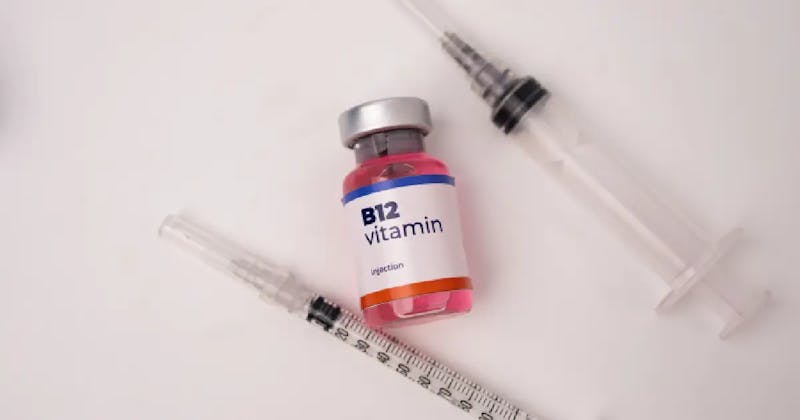
Honest limitation: imagery and packaging can’t tell you whether you’ll feel an “energy boost.” Your response depends on your deficiency level and the underlying cause—not the photo or the idea of the treatment.
When to Contact a Clinician
- You have allergy symptoms after an injection.
- Your symptoms worsen after starting treatment.
- You feel no meaningful improvement after a reasonable interval (often a few weeks), especially if deficiency was expected.
- You have neurological symptoms (tingling, numbness) that persist or expand.
In my hands-on approach to planning expectations, the key is aligning symptoms with measurable labs and a follow-up plan—rather than basing progress solely on day-to-day feelings.
FAQ
How will i feel after b12 injection if I’m not truly deficient?
You may feel little or nothing beyond temporary injection-site soreness. If your B12 is already normal, the main benefits can be limited because B12 isn’t the bottleneck driving fatigue or brain fog.
When should I expect energy and focus improvements?
Some people notice subtle changes in the first several days, but more consistent improvements often appear over 2–6 weeks—especially when deficiency is corrected and the underlying cause is addressed.
Can I feel side effects after a B12 injection?
Yes. The most common issues are mild injection-site soreness or brief systemic discomfort. Seek urgent care for allergic-type symptoms such as hives, facial swelling, or trouble breathing.
Conclusion
How will i feel after b12 injection? The most believable answer is: it depends. If you had true B12 deficiency, many people experience a gradual shift toward steadier energy and clearer focus—usually over days to weeks—rather than an instant “boost.” If you weren’t deficient, changes may be minimal.
Next step: track your symptoms for 2–3 weeks (fatigue level, focus, and any injection-site reactions) and align your treatment with lab testing and clinician guidance so you’re correcting the actual cause—not just hoping for a feeling.
Discussion