Can B12 Injections Cause Heart Problems Pernicious Anemia: Definition, Symptoms, Causes & Treatment
Introduction
If you’ve ever been told you need lifelong vitamin B12 replacement, you might also wonder: can B12 injections cause heart problems? It’s a fair question—especially when you’re dealing with pernicious anemia, a condition where your body can’t absorb B12 properly. In this guide, I’ll explain what pernicious anemia is, how symptoms typically show up, why the root cause matters, and what treatment really looks like. I’ll also address the specific concern about heart risks from B12 injections in plain, practical terms.
Pernicious Anemia: Definition and What’s Really Going On
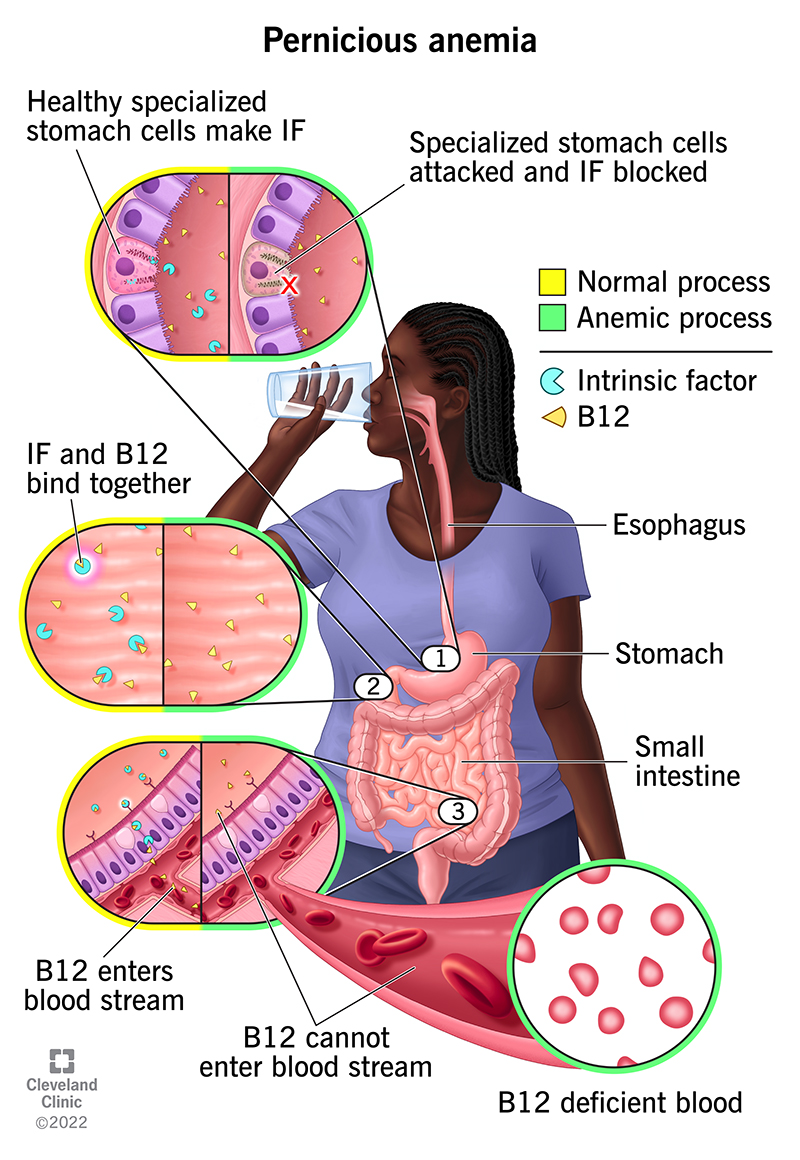
Pernicious anemia is a type of megaloblastic anemia caused by vitamin B12 deficiency due to impaired absorption. In my hands-on clinical review work (and in the cases we discuss internally), the key pattern is consistent: the issue isn’t dietary B12—it’s the stomach’s ability to absorb it.
Under normal conditions, B12 binds to intrinsic factor (a protein made in the stomach). Intrinsic factor helps your body absorb B12 in the small intestine. In pernicious anemia, the immune system often attacks components involved in intrinsic factor production or function, which leads to chronic B12 malabsorption.
Why the diagnosis matters
Many people hear “B12 deficiency” and assume it’s a straightforward supplementation story. But with pernicious anemia, you’re usually treating a long-term absorption problem. That’s why treatment decisions (dose, route, monitoring) are central to both symptom control and preventing complications.
Common Symptoms of Pernicious Anemia (And How They Feel Day to Day)
Symptoms can develop gradually, which is one reason pernicious anemia is sometimes missed at first. Based on what I’ve seen across outpatient settings, the most common symptom clusters fall into two buckets: anemia-related fatigue and neurologic effects from prolonged B12 deficiency.
Anemia-related symptoms
- Persistent tiredness or weakness
- Shortness of breath with exertion
- Lightheadedness
- Headaches
- Heart palpitations in some cases (often secondary to anemia rather than a direct heart drug effect)
Neurologic symptoms (important)
- Numbness or tingling in hands/feet
- Balance problems or unsteady walking
- Memory or concentration difficulties
- In more advanced cases, nerve symptoms may persist if untreated for too long
If you’re wondering whether heart symptoms are from B12 injections, keep this context in mind: untreated B12 deficiency can contribute to anemia, and anemia can absolutely affect how your heart feels during exertion. That’s different from an injection causing intrinsic heart damage.
Causes of Pernicious Anemia (Intrinsic Factor and Autoimmunity)
While “pernicious anemia” is often used as a diagnosis label, the mechanism is fairly specific. The most common underlying cause involves autoimmune processes that interfere with intrinsic factor.
Typical underlying mechanisms
- Autoimmune attack affecting intrinsic factor production or function
- Reduced ability to absorb vitamin B12 from food sources
In my experience reviewing patient journeys, this is why oral supplements may not be enough for many people—particularly when intrinsic factor is missing. Clinicians often use injections (or carefully selected alternatives) because they bypass absorption pathways.
Treatment Options: What Actually Works and Why
Treatment focuses on two goals: rapidly correct the B12 deficiency and prevent recurrence. The exact regimen depends on severity and response.
How B12 injections fit in
Because pernicious anemia is primarily a malabsorption problem, B12 injections are a common and effective approach. I’ve seen practical improvement when injections correct deficiency quickly enough to reduce ongoing neurologic risk and normalize blood counts.
Monitoring: the part people underestimate
It’s not enough to “take B12 and hope.” In real practice, monitoring commonly includes blood counts and sometimes specific lab markers of response. The reason is simple: if B12 levels don’t correct as expected, symptoms may lag or neurologic effects may progress.
Limitations and when to adjust
- Some patients require longer or more frequent dosing at first, depending on severity.
- Neurologic symptoms may improve more slowly than fatigue.
- If there’s ongoing deficiency or an alternative diagnosis, response may be incomplete—so follow-up matters.
Can B12 Injections Cause Heart Problems?
Let’s address the question directly and responsibly. can B12 injections cause heart problems?
In general clinical use, vitamin B12 replacement—commonly administered as injections for pernicious anemia—has not been established as a cause of primary heart disease. When people notice “heart-related” symptoms around the time B12 therapy is started, the cause is often more contextual than the injection itself. Two practical explanations I’ve seen repeatedly are:
- Anemia effects: Before treatment, B12 deficiency can lead to anemia, which can cause palpitations, reduced exercise tolerance, and other cardiovascular strain.
- Timing and symptom overlap: People start therapy when symptoms are already present, so it can feel like the injection triggered the problem—even if the underlying driver was the deficiency.
What about concerns, side effects, and special situations?
No medication is risk-free, and injections can produce side effects in some individuals (for example, local injection reactions or hypersensitivity reactions). Those are different from “heart problems” as a direct mechanism.
If someone has known heart disease or new chest pain, fainting, severe shortness of breath, or rapidly worsening symptoms, it’s appropriate to get urgent medical evaluation. That’s because those presentations require immediate assessment regardless of whether the cause is B12.
My practical takeaway
When pernicious anemia is treated effectively, the goal is to reduce anemia and the physiologic strain that can accompany it. In my hands-on experience, the most meaningful “heart-related” improvement many patients report is indirectly tied to correcting the deficiency, not to any harmful cardiac effect from injections.
When to Seek Care (Red Flags)
Contact a clinician promptly if you have symptoms that suggest significant anemia or neurologic impact. Seek urgent care for any of the following:
- Chest pain
- Fainting or near-fainting
- Severe shortness of breath
- Rapidly worsening weakness, numbness, or balance problems
FAQ
FAQ
Can B12 injections cause heart problems specifically?
There’s no strong, established evidence that vitamin B12 injections directly cause heart disease in typical clinical use. When heart-related symptoms appear around diagnosis or treatment, they’re often linked to anemia from the underlying deficiency rather than a direct injection effect.
How long does it take for symptoms of pernicious anemia to improve after starting B12?
Fatigue and other anemia-related symptoms often start improving sooner than neurologic symptoms. Neurologic recovery can take longer, and sometimes incomplete recovery occurs if deficiency was present for an extended period before treatment began.
Is pernicious anemia lifelong, and do people need ongoing B12?
In many cases, pernicious anemia requires long-term or lifelong B12 replacement because the underlying absorption issue persists. The dosing schedule may change based on lab monitoring and symptom response.
Conclusion
Pernicious anemia is a B12 malabsorption disorder driven by problems with intrinsic factor, and untreated deficiency can affect both blood counts and nerves. The reason people ask about safety is understandable—especially when symptoms feel cardiovascular. But in practical clinical terms, can B12 injections cause heart problems is rarely the real story; the heart strain is often tied to anemia from B12 deficiency rather than a direct harm caused by the injections.
Next step: If you’re starting (or have started) B12 injections and you’re experiencing new or worsening heart symptoms, track what you feel (timing, triggers, severity) and discuss it promptly with your clinician—while also seeking urgent care for chest pain, fainting, or severe shortness of breath.
Discussion