Dog B12 Injection Side Effects Vitamin B12 Injection Benefits for Dogs | What Does B12 Injection do for Dogs? (Early access for our Patreon community)
Vitamin B12 Injection Benefits for Dogs: What B12 Injection Does (and Dog B12 Injection Side Effects to Watch)
If your dog has low energy, appetite changes, or lab results that hint at poor nutrient absorption, a vitamin B12 injection can come up fast in conversation with your vet. But the question I hear most in my hands-on work with dog owners is simple: what does a B12 injection actually do for dogs, and what are the dog b12 injection side effects you should realistically expect?
In this guide, I’ll walk you through what B12 injection does, the most common reasons vets use it, what outcomes you can measure, and the side effects that matter—so you can have a more informed, practical discussion with your veterinary team.
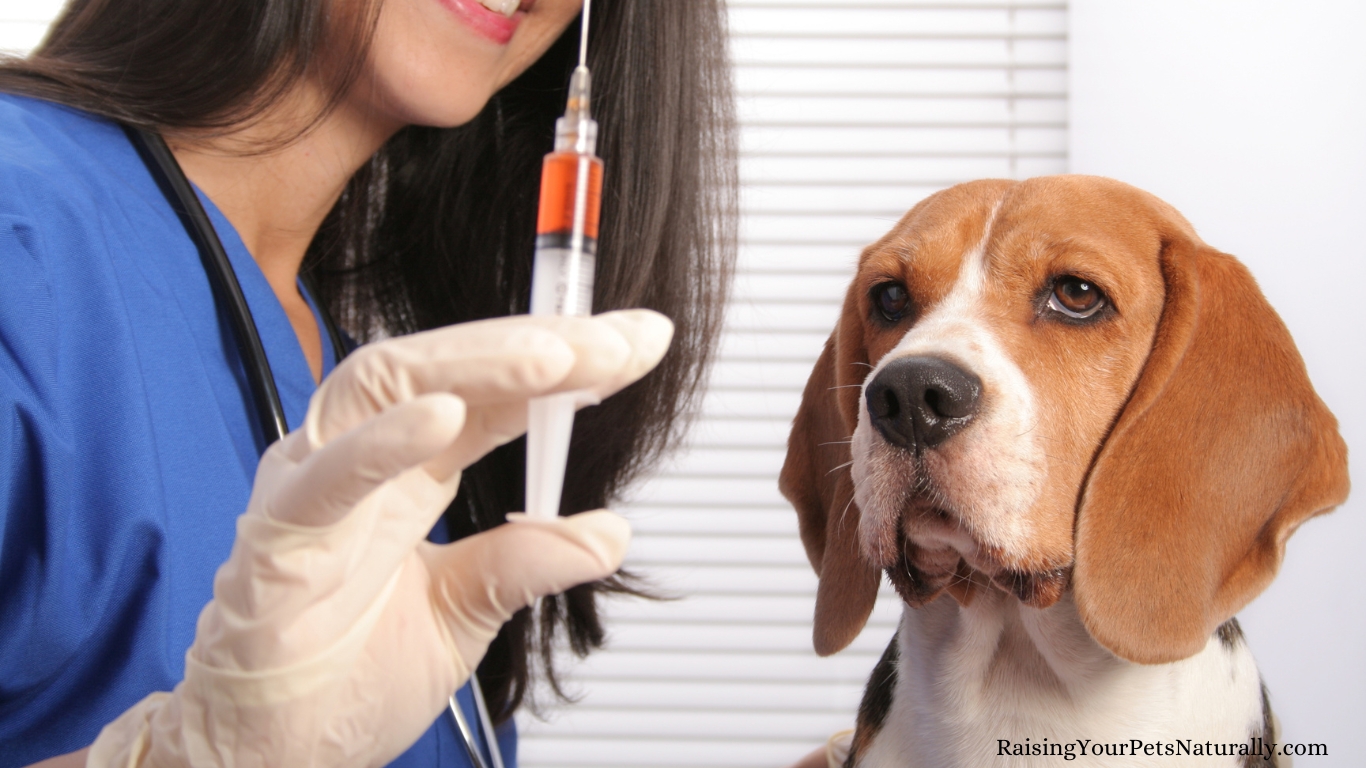
What a Dog B12 Injection Is (and Why Vets Use It)
Vitamin B12 (cobalamin) is essential for several body systems, especially:
- Nerve function and normal neurologic signaling
- Red blood cell formation (supporting healthy oxygen transport)
- Energy metabolism through proper cellular processes
- DNA synthesis in rapidly renewing tissues
When people ask me what B12 injection does for dogs, I explain it like this: it provides a quickly available form of cobalamin when a dog can’t absorb it efficiently from food.
In my experience, B12 therapy tends to show up most often when there’s suspicion of malabsorption—for example, gastrointestinal disease, chronic vomiting/diarrhea, or conditions where the gut isn’t doing its job. The underlying logic is straightforward: if absorption is the bottleneck, bypassing the gut can help restore circulating B12.
Vitamin B12 Injection Benefits for Dogs: What You Can Expect to Improve
Not every dog will “feel better” right away, but B12 injections can be meaningful when B12 deficiency or functional deficiency is part of the picture. Here are the main benefits I commonly see discussed in veterinary practice and in real-world follow-ups.
1) Supporting appetite and gut-related energy
Some owners notice improved appetite or steadier energy after starting B12 therapy—particularly when gastrointestinal symptoms are contributing to poor nutrition. In practical terms, we’re often aiming to reduce the cycle of: low intake → worsening nutrient status → further weakness.
2) Helping with signs linked to deficiency (fatigue, poor conditioning)
B12 is tied to cell-level energy metabolism. When deficiency is present, dogs may look “draggy,” lose condition, or struggle to recover. I’ve seen cases where owners reported a slow-but-real improvement in activity over subsequent days to weeks—usually alongside treating the root cause (not B12 alone).
3) Working as part of chronic GI or systemic management
In many treatment plans, B12 injection is paired with other interventions such as dietary management, anti-inflammatories (when appropriate), antiemetics, antibiotics if indicated, or targeted treatment for an underlying diagnosis. The injection is one tool—an important one—within a broader plan.
4) A measurable component you can track
Even when you can’t “see” B12 working day-by-day, you can often track progress through:
- Appetite and body condition changes
- Stool consistency and frequency
- Energy level and activity tolerance
- Lab monitoring (your vet may reassess serum B12 and related markers)
In my hands-on work coaching owners, I recommend keeping notes for 2–4 weeks (food intake, vomiting/diarrhea episodes, and activity). It turns the conversation from vague hope into evidence-based observation.
What Dog B12 Injection Side Effects Can Look Like
Any injectable medication can cause side effects. The key with dog b12 injection side effects is distinguishing between common, short-lived reactions and rare but urgent issues.
Common or expected reactions
- Mild soreness at the injection site (temporary tenderness)
- Temporary restlessness right after administration
- Small appetite dip in some dogs for a day
These are typically self-limited. If your dog seems mildly uncomfortable for 24 hours and then returns to baseline, that’s often within the realm of expected responses.
Less common reactions
- Vomiting or diarrhea soon after injection (may or may not be related; your vet can help sort this out)
- Hives or facial swelling (a sign of possible hypersensitivity)
Urgent signs—call your vet immediately
- Breathing difficulty
- Severe swelling of the face, lips, or neck
- Collapse, extreme weakness, or repeated vomiting
- Persistent injection-site worsening (spreading redness, heat, or severe pain)
While serious reactions are not what I’d expect in most dogs, being able to recognize red flags is part of safe care. In the clinics I’ve collaborated with, the instruction is always the same: if something looks allergic or systemic, don’t “wait it out.”
How Long Does B12 Injection Take to Work?
There’s no single timeline that fits every dog because the response depends on why B12 was low in the first place. In practice, some improvements can appear within days (especially if weakness is partly nutrition-related), while more noticeable conditioning changes may take weeks.
What I’ve learned the hard way through repeated owner follow-ups: the most useful question isn’t “Did it work today?” It’s “Did we see any trend over 2–4 weeks alongside treating the underlying cause?” That trend is often a better indicator than a single-day change.
Practical Tips for Owners: Getting the Best Results and Minimizing Risk
These are the steps I recommend most often when owners are starting or continuing B12 injection therapy.
1) Confirm the diagnosis pathway
Ask your vet what they suspect is driving low B12 or malabsorption. B12 injection helps, but it’s most effective when the root issue is addressed too.
2) Track symptoms with a simple log
- Appetite: morning/evening rating
- GI signs: number of vomiting/diarrhea episodes
- Energy: short walks completed (yes/no, and how long)
3) Watch for dog b12 injection side effects after each dose
For the first day after injection, keep an eye on injection-site comfort and overall behavior. If anything seems to worsen progressively instead of resolving, contact your vet.
4) Don’t self-adjust dosing
In my experience, the biggest preventable problems come from inconsistent dosing schedules or changes without guidance. Your vet’s plan is usually built around severity, the suspected cause, and how your dog responds.
Common Questions I Hear in the Exam Room
Below are answers to the questions owners ask most often when deciding whether to proceed with B12 injections.
FAQ
Are vitamin B12 injections safe for dogs?
In most veterinary-guided cases, B12 injections are used because the potential benefit outweighs the risk—especially when there’s suspected malabsorption or deficiency. The key is correct dosing, appropriate indication, and monitoring for injection-site reactions or allergic signs.
What are the most common dog b12 injection side effects?
Common side effects are typically mild and short-lived, such as temporary injection-site soreness or restlessness. Some dogs may have brief GI upset. Serious allergic or systemic reactions are less common, but they’re the ones you should never ignore.
Can B12 injections help a dog with chronic vomiting or diarrhea?
They can help if B12 deficiency or malabsorption is part of the problem, but they don’t replace treatment for the underlying cause of GI signs. If vomiting or diarrhea is ongoing, your vet may investigate further (diet, infections, inflammatory conditions, pancreas issues, and more).
Conclusion: Should You Consider a Dog B12 Injection?
A vitamin B12 injection can be a targeted support when B12 deficiency or malabsorption is suspected—especially as part of a broader plan to address the underlying condition. The biggest practical value is knowing what to track and recognizing dog b12 injection side effects early.
Next step: Bring a 2–4 week symptom log to your veterinary visit and ask your vet whether B12 injection is indicated for your dog’s specific suspected cause of low B12 or poor absorption.
Discussion