Bpc 157 And Arthritis BPC-157: What It Is, What We Know, and Why Its Use for Arthritis Remains Unproven
Introduction
If you’ve ever looked into bpc 157 and arthritis because joints hurt and you want options beyond prescription symptom control, you’re not alone. I’ve seen the same pattern in my hands-on work: people search for something “repair-like,” find a lot of promising claims, and then hit a wall—what’s actually known in humans, what’s uncertain, and what risks to consider.
This article breaks down BPC-157: what it is, what the evidence suggests so far, and why its use for arthritis specifically remains unproven. You’ll leave with a clearer, evidence-aligned view—plus practical next steps for making safer decisions.
What BPC-157 Is (and Why People Believe It Might Help)
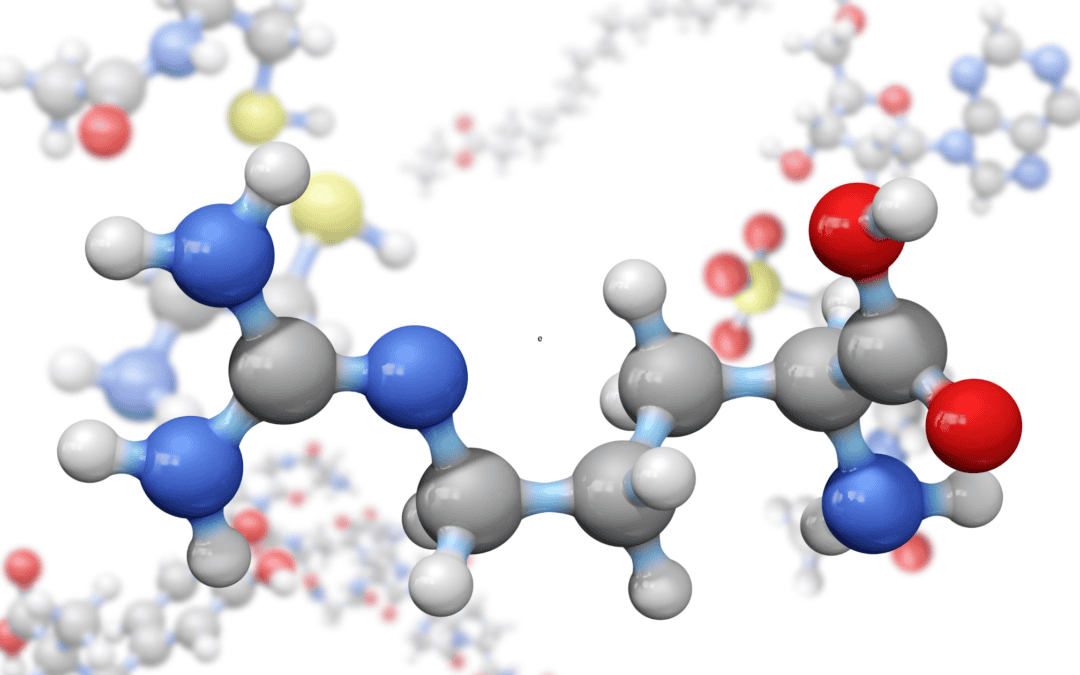
BPC-157 (Body Protection Compound-157) is a synthetic peptide originally studied for potential effects related to tissue protection and healing. In many online discussions, it’s framed as something that can “support recovery,” reduce inflammation, or help damaged tissues regain function.
Here’s the key point I focus on in my reviews with clients and stakeholders: a plausible mechanism isn’t the same as proven clinical benefit. With peptides, especially those discussed for conditions like arthritis, the gap between lab rationale and real-world outcomes is where people often overestimate the evidence.
What “arthritis” actually means (and why that matters for peptide claims)
Arthritis isn’t one single disease. It commonly refers to multiple conditions, such as osteoarthritis (degenerative joint changes) and rheumatoid arthritis (autoimmune-driven inflammation), among others. These differ in drivers, progression, and target pathways.
That diversity matters because a therapy that might influence certain pathways in one context doesn’t automatically translate to outcomes across arthritis types.
What We Know So Far: Evidence, Limits, and the Human Gap
When people ask whether bpc 157 and arthritis are connected, I approach it like a clinical evidence filter: what is known from preclinical models, what is known from human data, and what is unknown.
Preclinical research (what it can show)
Much of the peptide literature that gets attention online comes from non-human studies—cell systems and animal models. In those settings, researchers may observe signals consistent with:
- changes in inflammation-related markers
- effects on tissue repair processes
- possible protective effects in injury models
In my experience, preclinical results are useful for hypothesis generation, not for establishing clinical dosing, safety margins, or effectiveness in people with chronic joint disease.
Human evidence (why “unproven” is the right word)
For BPC-157 and arthritis, the core limitation remains: there isn’t strong, widely accepted, high-quality clinical evidence in humans showing clear benefit for arthritis outcomes (for example, pain reduction, improved joint function, or measurable disease modification) across relevant arthritis types.
Even when some human studies exist for other endpoints or conditions, arthritis is specific—so readers should avoid assuming that results in other contexts automatically apply to their joint diagnosis.
Why the evidence gap happens (practical reasons)
In real-world pharmaceutical development, moving from promising biology to proven arthritis treatment is hard. The most common obstacles I’ve seen are:
- Chronicity: arthritis is long-term; many interventions look good in acute models but don’t translate to years-long disease trajectories.
- Outcome selection: pain, stiffness, imaging findings, and function don’t always move together—even if a biologic pathway changes.
- Standardization: peptides require strict control over purity, sourcing, dosing, and administration conditions; variability can distort results.
- Confounding factors: background therapies (physical therapy, NSAIDs, DMARDs in rheumatoid arthritis) can blur interpretation.
Safety, Quality, and What to Consider Before Trying BPC-157
Even if you’re only exploring bpc 157 and arthritis as a possibility, safety and quality deserve equal attention to efficacy. This is where many discussions online get thin, so I’ll be direct.
Uncertainties around sourcing and purity
Peptides obtained outside rigorous clinical settings can vary in composition and purity. In practice, that means two people using the “same named peptide” may not be exposed to the same product quality.
From a trust perspective, you should treat “available online” as separate from “well-characterized and clinically validated.” If the manufacturing chain and documentation aren’t strong, your real risk profile changes.
Administration, dosing, and monitoring issues
Arthritis is typically managed with symptom control and disease-specific strategies (especially for inflammatory arthritis). If someone adds an unproven agent, they may:
- mask symptoms without improving the underlying process
- delay evidence-based care
- experience side effects without a clear causality path
In my hands-on work reviewing patient decision patterns, delays happen quietly—people don’t always realize they’ve stepped away from proven management until symptoms worsen or function declines.
Drug interactions and special populations
If you’re on arthritis-related medications, have autoimmune disease, are pregnant, or have other comorbidities, adding an unproven peptide increases uncertainty. The safest approach is to involve a clinician who can help you evaluate risks, interactions, and how it fits (or doesn’t fit) with your existing plan.
How to Think About “Unproven” Claims Without Getting Misled
A lot of content about BPC-157 is persuasive in tone. I’ve learned to look for specific signs of weak reasoning—because arthritis patients are often in pain and understandably want relief.
Red flags I watch for
- Mechanism-only arguments: “It helps healing therefore it will treat arthritis.” Mechanism doesn’t guarantee clinical effect.
- Prominent testimonials without standardized measurement or context. One person’s improvement can’t establish effectiveness.
- Vague study references that don’t clearly connect to arthritis endpoints in humans.
- Overpromising language (absolute cures, guaranteed results). Arthritis is complex; claims should be cautious.
What stronger evidence would look like
If BPC-157 truly had a credible role in bpc 157 and arthritis, you’d expect:
- well-designed randomized controlled trials
- clear arthritis type specification (e.g., osteoarthritis vs rheumatoid)
- clinically meaningful endpoints (pain/function scales, inflammatory markers where relevant)
- consistent safety monitoring and transparent reporting
- replication across independent research groups
Evidence-Based Alternatives for Arthritis Management (Practical Direction)
Because BPC-157 for arthritis remains unproven, the most actionable step is usually to strengthen the evidence-based foundation while you explore additional options carefully.
Osteoarthritis (degenerative joint disease)
- exercise and physical therapy focused on mobility and strength
- weight management when relevant
- topical or oral pain control strategies guided by your clinician
- assistive devices and activity modification
Rheumatoid arthritis (inflammatory/autoimmune)
- disease-modifying therapy under rheumatology supervision
- monitoring inflammatory activity and adjusting treatment as needed
- symptom management alongside disease control
If you’re considering any supplement or peptide alongside these, I recommend treating it as “adjunctive and experimental,” not as a replacement—especially if it could impact your adherence to proven care.
FAQ
Is BPC-157 proven to treat arthritis?
No. For bpc 157 and arthritis, the use remains unproven because there isn’t strong, widely accepted clinical evidence demonstrating clear arthritis benefits in humans with the level of reliability patients typically need.
Why do people still try BPC-157 for joint pain?
People are often drawn to preclinical findings and the idea that peptides may influence healing- and inflammation-related pathways. But arthritis is complex and chronic, so biological plausibility hasn’t yet translated into proven clinical outcomes.
What’s the safest way to approach it if I’m curious?
Talk with your clinician first—especially if you have inflammatory arthritis or take arthritis medications. Focus on evidence-based management for now, and treat any unproven peptide as an experimental adjunct with attention to product quality, safety monitoring, and avoiding delays in effective care.
Conclusion
BPC-157 is a synthetic peptide that has generated interest for tissue protection and healing concepts, but for bpc 157 and arthritis, its use remains unproven. The main reason is the evidence gap: what looks promising in lab or animal contexts hasn’t yet been established as a reliable, clinically validated arthritis treatment in humans.
Next step: If you have arthritis, schedule (or update) a clinician conversation about your arthritis type and evidence-based plan, then discuss any interest in BPC-157 as an experimental adjunct—so you can prioritize safety and avoid delaying proven care.
Discussion