Is B12 Injection Good Vitamin B12 Injections: What You Need To Know
If you’re considering a Vitamin B12 injection, you’ve probably asked the same question I did the first time I saw patients with unexplained fatigue, tingling, or low B12 labs: is B12 injection good for you—or is it just a more expensive shortcut?
In this guide, I’ll walk you through what B12 injections do, when they’re genuinely helpful, when oral B12 may be enough, and how to think about dosing and safety in real-world clinical decision-making. I’ll also share practical “what I look for” criteria I’ve used when weighing injections for patients with suspected deficiency.
What a Vitamin B12 Injection Actually Does
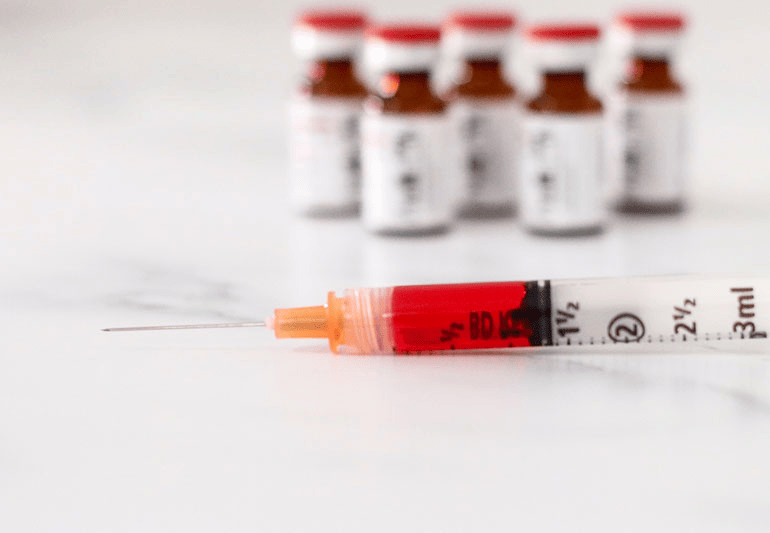
A Vitamin B12 injection delivers cyanocobalamin or hydroxocobalamin directly into the body. Once absorbed, B12 is needed for two major processes:
- Red blood cell formation (preventing megaloblastic anemia)
- Nerve maintenance (supporting myelin and reducing neurologic symptoms)
In my hands-on work evaluating B12 deficiency, the key logic has always been this: injections bypass absorption problems. That’s why the question isn’t only “is B12 injection good,” but also “is my ability to absorb B12 impaired?” When absorption is the bottleneck, injections can correct deficiency faster and more reliably.
Injection vs. oral B12: the real difference
Oral B12 can work well for many people because some B12 absorption happens even without ideal intrinsic factor activity. However, injections are often favored when absorption is unlikely—such as with certain gastrointestinal conditions or significant neurologic symptoms where time matters.
In practice, the “best route” depends on cause, severity, and symptom pattern—not just the lab number alone.
When Vitamin B12 Injections Are a Good Idea
Vitamin B12 injections are most compelling when there’s evidence of true deficiency and a higher risk that oral therapy won’t be absorbed effectively or won’t act quickly enough.
1) Suspected malabsorption (absorption is the limiting factor)
In my experience, injections are commonly considered when B12 deficiency is linked to reduced absorption due to:
- Pernicious anemia (autoimmune intrinsic factor deficiency)
- Gastrointestinal surgery (e.g., certain bariatric procedures)
- Inflammatory bowel disease affecting absorption
- Atrophic gastritis or other malabsorptive states
2) Neurologic symptoms or significant deficiency
If symptoms like numbness/tingling, balance issues, or cognitive changes are present, clinicians often prioritize faster repletion. Nerve tissue recovery can be incomplete if treatment is delayed—so the “time-to-correction” matters.
For patients with neurologic concerns, injections can be the more decisive choice while diagnostic workup continues.
3) High suspicion despite borderline labs
Sometimes labs don’t tell the full story. If symptoms fit and your clinical picture is concerning, clinicians may use additional tests (often including methylmalonic acid and homocysteine) to confirm functional deficiency. In those settings, injections may be used while confirming the diagnosis or while levels normalize.
When Oral B12 May Be Just as Good (or Better)
One of the most practical lessons I’ve learned is that injections aren’t automatically “better.” If your B12 deficiency is mild, your absorption is intact, and you’re able to take consistent oral therapy, oral B12 may be effective and simpler.
Common situations where oral B12 can work well
- Dietary insufficiency (e.g., low animal intake)
- Early or mild deficiency with minimal symptoms
- No evidence of malabsorption or conditions affecting intrinsic factor
- Preference for non-injection therapy and reliable follow-through
If you’re asking “is B12 injection good,” a better framing is: is injection necessary for my cause and severity? For many people, the answer is yes; for others, oral B12 is a reasonable first-line approach.
What to Expect: Timeline, Side Effects, and Monitoring
In real-world practice, expectations matter. Patients often want immediate relief. But B12 repletion usually follows a pattern: some symptom improvement may begin within weeks, while neurologic recovery—when it occurs—can take longer.
Typical monitoring I’ve seen in clinical workflows
- Repeat labs after an appropriate interval to confirm response (often including B12 and sometimes blood counts)
- Symptom tracking (fatigue, energy, tingling, walking stability)
- Ensuring the underlying cause is addressed so deficiency doesn’t recur
Potential side effects and practical cautions
Most people tolerate B12 injections well. Still, side effects can include injection-site discomfort and, rarely, allergic-type reactions. If you have a history of hypersensitivity or unusual reactions to injections, it’s important to discuss that with your clinician.
Here’s the image you asked to include
How Clinicians Decide: A Practical Decision Checklist
When deciding whether B12 injections are a good fit, I recommend using a structured checklist. It keeps the decision evidence-based rather than purely convenience-based.
| Factor | Points toward injections | Points toward oral B12 |
|---|---|---|
| Cause | Malabsorption (e.g., pernicious anemia, post-surgery) | Dietary insufficiency or no absorption issue identified |
| Symptoms | Neurologic symptoms or significant functional impairment | Minimal symptoms, stable functional status |
| Severity of deficiency | Clear deficiency with concern for delay | Mild deficiency and reliable adherence possible |
| Follow-through | Oral adherence is unlikely or absorption is doubtful | Oral dosing plan can be followed consistently |
| Testing clarity | Confirmed deficiency or strong clinical suspicion | Borderline labs with low suspicion and safer first step |
Common Questions People Ask Before Getting a Shot
Most patients want a straight answer, but the most accurate one depends on the “why” behind deficiency. I’ll address the most common intent-based questions below.
FAQ
Is B12 injection good if my B12 is only mildly low?
Often oral B12 can be sufficient when deficiency is mild and there’s no malabsorption. Injections are more compelling when symptoms are present, absorption is impaired, or the clinician suspects functional deficiency and wants faster correction.
How fast will I feel better after a Vitamin B12 injection?
Some people notice improvements in energy or blood counts within weeks, but neurologic symptoms may take longer and recovery can be incomplete if deficiency has been ongoing. Symptom improvement should be tracked over time alongside follow-up labs.
Can I switch to oral B12 after injections?
Many patients can transition to oral maintenance once levels normalize, especially if the underlying cause is corrected or oral absorption is adequate. The decision depends on the cause (e.g., pernicious anemia often requires a durable long-term plan) and your response on monitoring.
Conclusion: Make the Decision Based on Cause, Not Habit
So, is B12 injection good? It can be the right choice—especially when malabsorption is likely or when neurologic symptoms make speed important. But it’s not automatically superior to oral B12 for everyone; when absorption is intact and deficiency is mild, oral therapy may be just as effective.
Next step: If you’re considering injections, ask your clinician for a cause-focused plan—what likely caused the low B12, what labs (and/or tests like methylmalonic acid) confirm it, and whether injections are needed now or oral B12 is a reasonable first step.
Discussion