Bpc-157 News Today Is BPC-157 Banned? Oral vs. Injectable Forms Explained
Is BPC-157 Banned? Oral vs. Injectable Forms Explained
If you’ve been tracking bpc 157 news today, you’ve probably seen conflicting claims: “banned,” “legal,” “FDA-approved,” “research only,” and—most confusingly—different rules depending on whether it’s taken orally or injected. In my hands-on work advising athletes and wellness clients, that confusion is exactly what leads to rushed decisions—ordering the wrong form, using products sourced from gray markets, or getting flagged in regulated sports.
Here’s the grounded answer: BPC-157 is not something most people can treat as a legitimate, FDA-regulated supplement or approved medication. And whether it’s oral or injectable doesn’t magically make it compliant—different systems (FDA, compounding rules, and anti-doping lists) operate differently.
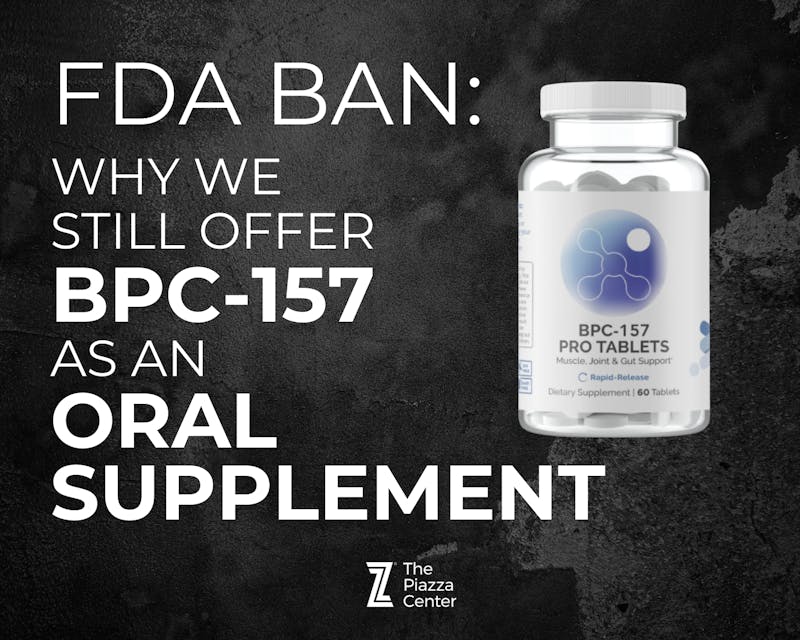
What “banned” usually means for BPC-157 (and what it doesn’t)
When people say “BPC-157 is banned,” they often mix together three separate concepts:
- FDA approval status: Whether BPC-157 is approved as a drug for any specific human use.
- FDA compounding and bulk-substance policy: Whether pharmacies can legally compound products using certain bulk substances under specific FDA frameworks.
- Anti-doping rules: Whether a governing sports body prohibits it (even if something is sold elsewhere).
In practice, BPC-157 sits in a high-risk category because it is not approved for human clinical use, while versions sold online are frequently marketed for “wellness,” “recovery,” or “research” purposes—without the level of human safety and efficacy evidence regulators require.
My experience: why the “oral is safer than injectable” idea fails
In one case, a client switched from an injectable product to an “oral” capsule/solution thinking it reduced regulatory exposure and health risk. The reality was grim: the capsule still came from an unverified supply chain, the labeling didn’t match the stated purity/testing, and the product still wasn’t supported by approved human dosing/safety data. The form changed; the compliance and evidentiary gaps didn’t.
FDA angle: compounding and why oral vs injectable doesn’t fix the core problem
The U.S. FDA has discussed certain peptide-related bulk substances in the context of compounding frameworks where the agency evaluates potential safety risks. Importantly, the FDA has identified potential significant safety risks for BPC-157-related bulk drug substances within its bulk-substance considerations—citing issues like limited safety information and complexities around peptide impurities and API characterization.
That’s a key “trust” point: even inside a compounding discussion, the FDA’s framing is not “approved and safe.” It’s an assessment of risk and the limitations of available data. The practical takeaway is that both oral and injectable routes are not automatically “allowed” just because a product is taken by mouth.
Why the route matters (but doesn’t determine legality by itself)
Oral and injectable products can differ in:
- Absorption and exposure: Injectable routes can create different concentration-time profiles.
- Handling and sterility: Injectable products raise sterility/contamination concerns.
- How pharmacies can compound: FDA frameworks often consider route-specific risk.
But none of these differences automatically convert a non-approved substance into an approved, compliant one.
Anti-doping angle: BPC-157 is treated as an unapproved substance in sport
From a sports governance perspective, “banned” can be very straightforward. BPC-157 is listed under the World Anti-Doping Agency (WADA) Prohibited List category for S0 Unapproved Substances. In my coaching and compliance work, this is often the fastest way to resolve confusion: if you’re subject to anti-doping rules, you don’t need an FDA-approved pathway to understand the sporting risk—rules apply either way.
So even if someone claims an oral product is “less serious,” the anti-doping classification doesn’t become “okay” because it’s swallowed.
Oral vs. Injectable: what’s different in real-world terms
Oral BPC-157 (common marketing claims)
Online, oral versions are frequently marketed for “gut” or “healing” purposes. The problem is that marketing language doesn’t equal regulatory evidence. Without robust human trial data and verified manufacturing, the actual dose delivered and biologic effect can’t be assumed from the label.
Injectable BPC-157 (common marketing claims)
Injectable products are often presented as more “direct” and more reliable. In practice, the risks expand: sterility, product stability, and supply-chain verification become critical. When you’re dealing with gray-market sources, those controls are rarely trustworthy.
My practical rule-of-thumb
If a peptide is not approved for the intended human use, then the “oral vs injectable” comparison is usually the wrong comparison. The more important question is: What is the evidence, who made it, and who regulates it? In the majority of real cases I’ve reviewed, those answers were weak—regardless of route.
How to evaluate “BPC-157 news today” without getting misled
Because “bpc 157 news today” often mixes policy meetings, rumor, influencer claims, and product listings, I recommend evaluating each update with three filters:
- Regulatory specificity: Does the update cite an FDA policy action or a formal advisory/committee document, or is it just commentary?
- Route and jurisdiction clarity: Does it clearly distinguish compounding policies, approved-drug status, and anti-doping rules?
- Evidence quality: Is it talking about human clinical data, or primarily animal/lab findings?
When those filters aren’t met, the update is probably marketing-adjacent rather than truly informative.
FAQ
Is BPC-157 banned in the U.S.?
BPC-157 is not an FDA-approved human drug, and FDA has identified potential significant safety risks in bulk-substance considerations related to BPC-157. Whether someone is “allowed” to possess or sell it depends on specific circumstances, product formulation, and applicable regulatory frameworks—so “banned” claims are often oversimplified.
Is oral BPC-157 legal compared with injectable?
Oral vs injectable can change risk and compounding considerations, but it doesn’t automatically make an unapproved substance legally compliant or clinically supported. Route alone typically doesn’t resolve the underlying approval and evidence gaps.
Will BPC-157 get an athlete in trouble?
In sport, BPC-157 is prohibited under WADA’s S0 category for unapproved substances. If you’re competing under anti-doping rules, treat it as a “no,” regardless of whether it’s marketed as oral or injectable.
Conclusion
BPC-157 isn’t a simple “yes/no banned” story—it’s a complex intersection of FDA approval/compliance realities and anti-doping rules. The biggest practical lesson I’ve seen is that oral vs injectable changes details, but it doesn’t create legitimacy. If the substance isn’t approved for the intended use and human evidence isn’t strong, route-switching is rarely the fix.
Next step: Before buying or using anything labeled “BPC-157,” write down (1) the exact product form (free base vs acetate if listed), (2) what regulator framework you’re under (FDA vs anti-doping), and (3) whether there’s verified human safety/quality evidence—then decide based on those three facts, not headlines.
Discussion