How Long Can Bac Water Be Stored Bacteriostatic Water Injection
If you’ve ever opened a vial of bacteriostatic water (often called “bac water”) and wondered how long can bac water be stored, you’re not alone. In my day-to-day work helping clinicians and compounding teams manage sterile supplies, storage life is one of the most common—and most consequential—questions, because an expired or improperly stored vial can compromise sterility and dosing accuracy even if it “looks fine.”
This guide explains practical, safety-first storage timelines, what “bacteriostatic” really means, and how to decide whether a vial is still usable based on label directions and real-world handling. You’ll leave with a clear checklist you can apply immediately.
What “bacteriostatic water” is (and what it is not)
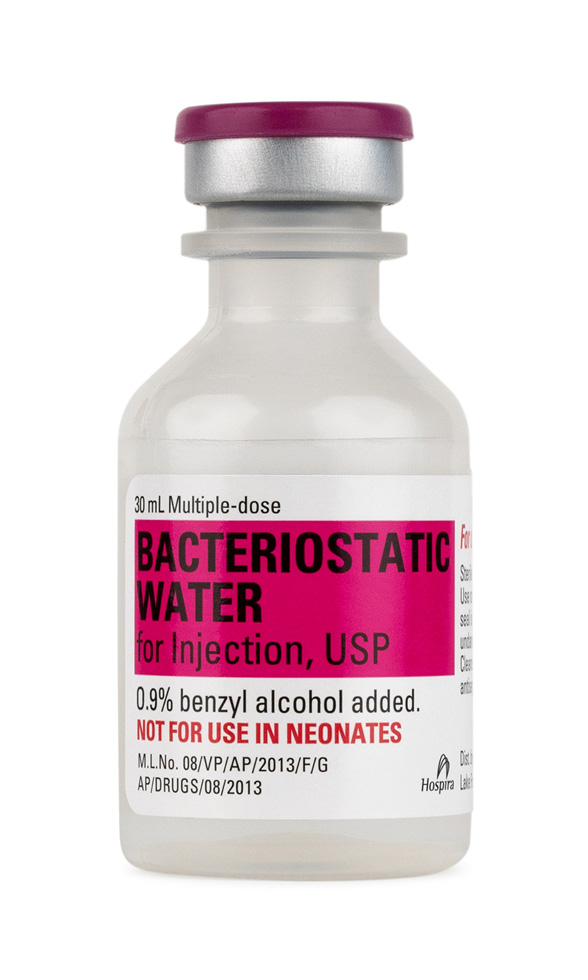
Bacteriostatic water is sterile water intended for reconstitution of certain medications. It contains a preservative—commonly benzyl alcohol—at a concentration designed to inhibit microbial growth. In plain terms, it helps slow contamination after puncture, but it does not make an unsafely handled vial “immune” to contamination.
In my hands-on workflows, the biggest lesson learned is that the preservative does not replace correct aseptic technique. If a vial is repeatedly handled in non-sterile conditions, stored outside recommended conditions, or accessed improperly, the risk rises—regardless of the bacteriostatic claim.
How long can bac water be stored? (The storage-life answer that matters)
The most accurate answer is: follow the expiration date on the label and any storage instructions printed by the manufacturer or pharmacy. Bacteriostatic water is regulated as a sterile product, so the manufacturer’s labeled expiration period is your primary reference point.
1) Before first puncture (unopened / unused vials)
For unused vials, storage time should be aligned with the product’s labeled expiration date. If the vial has been stored properly (as directed on the label), you should treat that expiration date as the end of the acceptable shelf life.
Practical rule I use: if the label is missing, illegible, or you can’t confirm the vial’s origin and storage history, I treat it as out-of-spec and do not use it for sterile medication reconstitution.
2) After first puncture (opened / accessed vials)
Once a vial is punctured, contamination risk increases even with bacteriostatic preservative present. Because labels and protocols vary by product and setting, the safest “storage-life” guidance is to rely on:
- The manufacturer guidance (often included on packaging or insert)
- Your facility’s sterile compounding SOP and beyond-use dating rules
In many clinical and compounding environments, teams use a conservative beyond-use window after puncture to reduce risk, especially for high-stakes sterile workflows. In my experience, the teams that had the fewest “mystery contamination” incidents were the ones that standardized a short, protocol-based beyond-use date rather than relying on “it still seems clear.”
3) Storage conditions that affect usable life
Even if the preservative helps, improper storage can undermine sterility and product integrity. Follow the label for temperature and handling. As a matter of practice, I focus on three conditions:
- Temperature stability: store within labeled temperature limits and avoid repeated heat/cold cycling.
- Protection from contamination: minimize unnecessary exposure of the vial stopper and keep the vial in a clean environment.
- Handling discipline: use sterile needles/syringes, maintain aseptic technique, and avoid “touching” the vial stopper.
If a vial has been left out repeatedly or stored outside the recommended range, don’t “extend” its life. Discard it and replace it.
How to decide if your bac water is still acceptable
Here’s a decision checklist I use for sterile supply audits and for staff training. It’s designed to be practical and defensible.
Quick checklist
- Does it have a readable expiration date? If not, treat as not usable.
- Was it stored according to the label? If storage history is unknown or out of range, discard.
- Was it punctured? If yes, apply your facility’s beyond-use dating policy for punctured vials.
- How was it accessed? If aseptic technique was breached (e.g., non-sterile environment, questionable needle handling), discard.
- Does the reconstituted medication have a shorter beyond-use date? The final product’s rule usually governs.
- Any signs of contamination? Don’t rely solely on appearance, but if you observe anything suspicious, discard.
Why “it looks clear” is not a safety standard
In real sterile workflows, visual clarity doesn’t reliably indicate sterility. The preservative is intended to inhibit microbial growth, but it cannot guarantee that contamination didn’t occur at the moment of puncture or due to handling. That’s why storage decisions should be governed by expiration dates and beyond-use dating rules rather than appearance.
What about bac water after reconstitution?
Many people confuse bacteriostatic water storage life with the storage life of the reconstituted medication. The medication you mix in often has its own beyond-use date and storage conditions. In practice, the final preparation’s rules usually override the “water vial” question.
When I’m setting up a workflow, I ensure staff can answer two separate questions:
- How long the bac water vial can be kept after puncture (per policy/label)
- How long the reconstituted drug can be kept after mixing (per medication instructions and SOP)
Product image reference
Common mistakes that shorten bac water “usable life”
- Using beyond the labeled expiration date (even if it’s been cold-stored).
- Skipping beyond-use dating after puncture and assuming bacteriostatic preservative means “indefinitely.”
- Inconsistent aseptic technique between users or shifts.
- Ignoring the reconstituted medication’s storage guidance.
- Label loss (no readable date or unclear storage history).
FAQ
How long can bac water be stored after opening?
It depends on the manufacturer’s guidance and your facility’s sterile handling policy. Use the vial only through its labeled expiration date, and after puncture follow the appropriate beyond-use dating rules (which are often more conservative than “until it looks clear”). Also follow the reconstituted medication’s beyond-use date, which may be shorter.
Can I use bac water if it’s past the expiration date but looks fine?
No. Sterile products should not be used past the labeled expiration date. Visual appearance is not a sterility test, and storage integrity cannot be assumed once expiration has passed.
Does bacteriostatic water make it safe to keep indefinitely?
No. “Bacteriostatic” means it helps inhibit microbial growth, but it does not guarantee sterility after puncture or protect against contamination from improper handling. You still need to respect expiration dates and beyond-use dating policies.
Conclusion
When you’re asking how long can bac water be stored, the practical, trust-building answer is to follow the label expiration date, store it exactly as directed, and—if punctured—apply your beyond-use dating rules and the reconstituted medication’s storage requirements.
Next step: locate the label on your vial (expiration date and storage instructions), then check your facility’s SOP for punctured-vial beyond-use dating and the medication’s beyond-use date after reconstitution.
Discussion