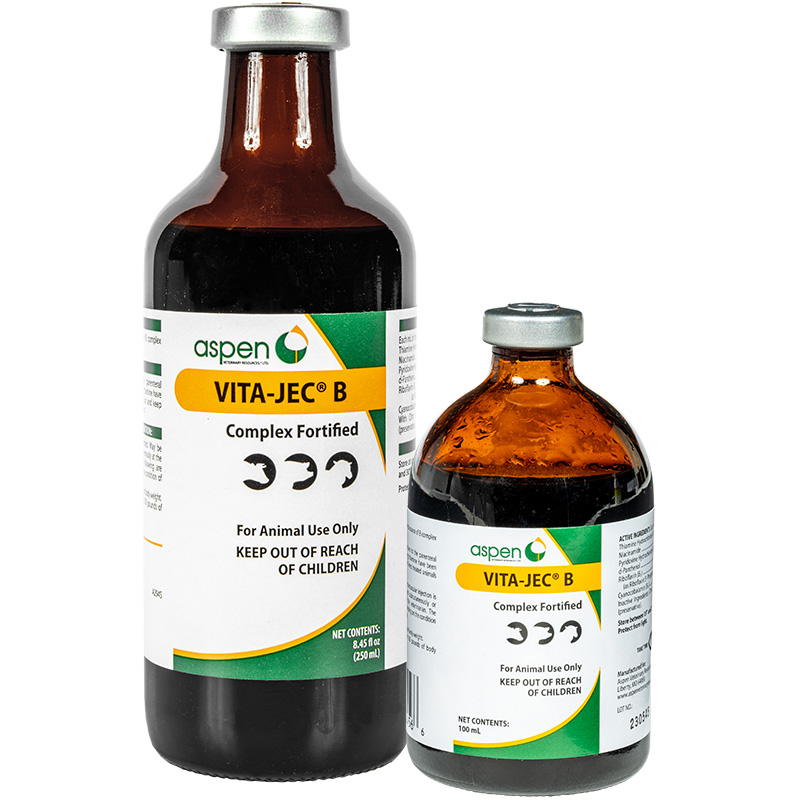
Vitamin B12 Injection For Goats Fortified B Complex
Introduction
If you’re raising goats, you’ve probably seen it firsthand: a group that looks fine one week suddenly droops, stops eating, or underperforms after a stressful stretch (weather changes, weaning, shipping, diet shifts, or heavy parasite seasons). In those moments, the search for a vitamin b12 injection for goats isn’t casual—it’s an attempt to stabilize health quickly while you fix the underlying cause.
In this guide, I’ll share what I’ve learned from hands-on herd work—how Fortified B Complex fits into goat health, when a B12 shot actually helps, what to watch for, and how to think about dosing and safety in a practical, non-hype way.
What “Fortified B Complex” Usually Does (and What It Doesn’t)
“Fortified B Complex” products are typically designed to support the metabolic pathways that rely on B vitamins, including energy metabolism, cellular function, and red blood cell production. In goats, B-vitamin deficiencies can become part of the problem when animals are under stress or not converting feed efficiently.
Why B12 gets so much attention
B12 (cobalamin) plays a key role in processes that support growth and normal function—especially when rumen function is compromised. While goats often produce many B vitamins through rumen microbial activity, real-world situations can disrupt that balance.
In my hands-on work, the most common scenario where B12 comes up is not “every goat is deficient,” but rather goats are dealing with something that interferes with normal gut function—then owners notice appetite drop, weakness, or poor performance and look for a targeted metabolic support option.
Important limitation (I’ve seen this)
A B12 injection is not a cure-all for digestive disease, parasites, copper/mineral imbalances, or bacterial infections. I’ve watched cases improve in energy and appetite after supportive care, but the condition still returned because the underlying driver—like internal parasites or a rough diet transition—wasn’t addressed.
When a Vitamin B12 Injection for Goats Can Be Helpful
Let’s make this practical. A vitamin b12 injection for goats is most logically considered when you suspect reduced appetite or poor performance tied to metabolic stress, and when rumen function may be compromised.
Common “real-world” triggers I see
- Post-stress appetite dips: weaning, transport, sudden weather change, overcrowding
- Diet transitions: moving from one feed type to another too quickly
- Rumen disruption: rumen acidosis risk, reduced intake episodes, or lingering gut upset
- Recovery support: after an episode where animals weren’t eating well for a period of time
Signs that make me focus on B-vitamin support (but still investigate)
Look for changes that align with low intake and sluggish metabolism—especially when you’ve already ruled out obvious emergencies. I typically start with quick observations: appetite, chewing/rumination, manure quality, body condition trajectory, and behavior.
If a goat is dehydrated, in severe pain, has neurologic signs, or is acting systemically unwell, B12 should not delay appropriate veterinary evaluation.
How Fortified B Complex Fits Into a Goat Health Plan
A strong health plan treats B12 as support, not the whole strategy. Here’s how I structure it on farms I work with: stabilize intake, address the most likely causes, then use supportive injections only as one part of the solution.
Step 1: Stabilize intake and gut function first
Before any injection becomes a “default,” I prioritize the basics because they affect outcomes immediately:
- Fresh forage and clean water (and check waterers for flow and contamination)
- Appropriate fiber length and gradual transitions between rations
- Observation of rumination and manure consistency
- Environmental stress reduction (heat, mud, cold drafts, overcrowding)
Step 2: Address the likely root cause
In many herds, the real drivers behind poor performance are not vitamin-only problems. Depending on your situation, that may mean:
- Fecal egg counts and strategic deworming when indicated
- Mineral and trace element review (including copper management where relevant)
- Feed quality checks (mold, abrupt changes, overly rich concentrates)
Step 3: Use injections as short-term metabolic support
This is where a vitamin b12 injection for goats—often via a fortified B complex product—may help bridge the gap while you correct diet, stressors, or gut disruption. In my approach, I use injections to support recovery alongside a corrective plan, not in place of one.
Practical Considerations: Safety, Handling, and Honest Expectations
Because injectable dosing can vary by product concentration, label directions, and animal specifics, I won’t invent a universal dose here. What I can do is give you the checklist I use to stay safe and consistent.
Check these before administering any injection
- Use the exact product label and follow directions for species and route.
- Confirm animal weight/age category when the label differentiates.
- Use clean technique (sterile needles/syringes, proper storage, no cross-contamination between animals).
- Keep records: date, animal ID, reason, lot number, and observed response.
What response should look like
When B-vitamin support is relevant, you may see improvements in appetite, energy, and overall demeanor over the following window after supportive care. If you see no improvement, or the goat worsens, I treat that as a signal to revisit diagnosis—parasites, toxic plants, dental issues, infectious disease, or more serious digestive problems can be the real cause.
Risks and downsides to be aware of
- Misplaced focus: continuing injections while ignoring root causes can waste time.
- Individual variability: not every goat responds the same way.
- Label-dependence: the “right” approach depends on concentration and instructions.
Frequently Asked Questions
How do I know if a vitamin b12 injection for goats is the right move?
Consider it when goats show reduced appetite or poor performance in a context of stress, diet transition, or possible rumen disruption—and you’re also working on the underlying causes (feed, environment, parasite control, and health assessment). If the goat is severely ill or not eating, prioritize veterinary guidance over injections.
Can I use Fortified B Complex instead of diagnosing the problem?
Supportive B-vitamin injections can help some animals, but they shouldn’t replace diagnosis. In my experience, goats often improve temporarily while the real driver—like parasites, feed quality issues, or disease—continues. Use injections alongside corrective actions, and reassess if you don’t see meaningful improvement.
What should I track after giving an injection?
I recommend tracking: appetite (especially rumination), demeanor/activity, manure quality, hydration, and any changes in body condition. Record the date, animal ID, product and lot number, and the response window so you can make a clear decision about next steps.
Conclusion
Fortified B Complex and a vitamin b12 injection for goats can be useful as short-term metabolic support when stress, reduced intake, or rumen disruption is part of the picture. The most successful outcomes come from pairing injection support with immediate intake stabilization and targeted correction of the likely root cause.
Next step: If you’re dealing with a goat that isn’t bouncing back, start a simple log today—appetite, rumination, manure, and behavior—then align your next action with both supportive care and a root-cause plan (feed transition review and parasite/health assessment), following the product label for administration.
Discussion